เมื่อใส่อุปกรณ์การแพทย์เข้าไปในร่างกาย คำถามแรกคือ "ใช้งานได้ไหม?" แต่ "ปลอดภัยไหม?" Polyetheretherketone (แอบมอง) ตอบคำถามดังกล่าวมานานหลายทศวรรษ ความเข้ากันได้ทางชีวภาพไม่ใช่วลีทางการตลาด มาจากแกนหลักที่มีความเสถียรทางเคมี ไม่ปล่อยสารชะล้างที่เป็นอันตราย ไม่ย่อยสลายของเหลวในร่างกาย และไม่ก่อให้เกิดการอักเสบเรื้อรัง สำหรับสายสวน ระบบการนำส่ง และส่วนประกอบที่สามารถฝังได้ แอบมอง กลายเป็นตัวเลือกเริ่มต้นเมื่อวิศวกรต้องการทั้งความน่าเชื่อถือของโครงสร้างและความทนทานของเนื้อเยื่อ ความเข้ากันได้ทางชีวภาพของ PEEK: ความหมายที่แท้จริงคืออะไร ความเข้ากันได้ทางชีวภาพไม่ใช่คุณสมบัติของวัสดุเพียงอย่างเดียว โดยอธิบายถึงความสามารถของวัสดุในการดำเนินการกับการตอบสนองของโฮสต์ที่เหมาะสมในแอปพลิเคชันเฉพาะ สำหรับ PEEK การตอบสนองดังกล่าวได้รับการบันทึกไว้ซ้ำแล้วซ้ำอีกในการทดสอบ ISO 10993 และการใช้งานทางคลินิก แกนหลักอะโรมาติกของ PEEK ประกอบด้วยหมู่อีเทอร์และคีโตนที่จัดเรียงอยู่ในหน่วยการทำซ้ำ โครงสร้างนี้ทำให้โพลีเมอร์มีความทนทานสูงต่อการไฮโดรไลซิส กรด เบส และตัวทำละลายอินทรีย์ ไม่มีส่วนประกอบของพลาสติกหรือสารเติมแต่งที่สามารถซึมเข้าไปในเนื้อเยื่อได้ วัสดุนี้ยังปราศจากบิสฟีนอล เอ (BPA) และสิ่งรบกวนต่อมไร้ท่ออื่นๆ โดยธรรมชาติ ซึ่งเป็นปัญหาของโพลีเมอร์อื่นๆ บางชนิด ตามบทวิจารณ์ที่ตีพิมพ์ในวารสาร Journal of Biomedical Materials Research บทความทดสอบ PEEK แสดงความเป็นพิษต่อเซลล์ต่ำ ไม่มีฤทธิ์กระตุ้นอาการแพ้ที่มีนัยสำคัญ และตอบสนองต่อการอักเสบน้อยที่สุดเมื่อปลูกฝังในสัตว์ทดลอง สำหรับวิศวกร หมายความว่า PEEK ผ่านแบตเตอรี่มาตรฐานของการทดสอบความเข้ากันได้ทางชีวภาพ ISO 10993 ที่จำเป็นสำหรับอุปกรณ์ที่มีการสัมผัสในระยะสั้นและอุปกรณ์ฝังในระยะยาว โดยมีเงื่อนไขว่าวัสดุจะต้องผสมและผ่านกระบวนการภายใต้เงื่อนไขเกรดทางการแพทย์ เหตุใด PEEK จึงทำงานได้ดีในเนื้อเยื่อที่มีชีวิต เหตุผลหนึ่งที่ PEEK ได้รับการยอมรับเป็นอย่างดีก็คือพื้นผิวของมันไม่สร้างสภาพแวดล้อมในท้องถิ่นที่รุนแรง เป็นสารเฉื่อยทางเคมี ไม่เป็นสนิม และไม่ปล่อยไอออนของโลหะ สำหรับการปลูกถ่ายที่วางไว้ใกล้กับกระดูก โมดูลัสยืดหยุ่นของวัสดุจะมีลักษณะใกล้เคียงกับกระดูกที่มีลักษณะเป็นโพรง ช่วยลดการป้องกันความเครียดและส่งเสริมการรับน้ำหนักตามธรรมชาติ สำหรับการใช้งานสายสวน ค่าสัมประสิทธิ์แรงเสียดทานต่ำจะช่วยป้องกันความเสียหายของเนื้อเยื่อระหว่างการนำทาง อุณหภูมิการใช้งานต่อเนื่องสูงสุด PEEK 250°ซ ไฟเบอร์ 260°ซ ทีพียู 80°ซ พีแบกซ์ 70°ซ ข้อมูลจากการอ้างอิงทางวิศวกรรมโพลีเมอร์ทั่วไป PEEK สามารถทนต่อการฆ่าเชื้อด้วยรังสีแกมมาและหม้อนึ่งฆ่าเชื้อซ้ำๆ โดยไม่เสื่อมสภาพ ในขณะที่โพลีเมอร์อื่นๆ หลายชนิดทำให้นิ่ม เปราะ หรือสลายตัว ช่องระบายความร้อนนี้ทำให้ PEEK เหมาะสำหรับอุปกรณ์ที่ต้องผ่านรอบการฆ่าเชื้อที่รุนแรงโดยไม่สูญเสียความสมบูรณ์ทางกล โมดูลัสยืดหยุ่น (GPa) PEEK 3.6 ไฟเบอร์ 0.5 UHMWPE 0.9 ไทเทเนียม 110 ข้อมูลจากวรรณกรรมที่ตีพิมพ์และเอกสารข้อมูลทางเทคนิค การจับคู่ที่ใกล้ชิดกับเนื้อเยื่อกระดูกนี้ช่วยให้การปลูกถ่ายกระดูกและข้อสามารถทำงานร่วมกันได้โดยไม่มีการป้องกันความเครียด ในอุปกรณ์เกี่ยวกับหลอดเลือด ความแข็งปานกลางของ PEEK ช่วยให้เส้นนำหรือเพลาสายสวนสามารถรักษาความสามารถในการดันได้ในขณะที่ยังคงโค้งงอผ่านกายวิภาคที่คดเคี้ยว PEEK เกรดทางการแพทย์: เกรดและมาตรฐาน PEEK ทั้งหมดไม่เท่ากัน PEEK เกรดทางการแพทย์ผลิตขึ้นภายใต้การควบคุมการผสมและกระบวนการที่ผ่านการตรวจสอบ และต้องเป็นไปตามข้อกำหนด เช่น ASTM F2026 สำหรับ PEEK มาตรฐานเหล่านี้กำหนดขีดจำกัดที่ยอมรับได้สำหรับคุณสมบัติที่สกัดได้ สารฉีด และคุณสมบัติทางกล PEEK อุตสาหกรรมอาจมีสารเติมแต่งหรือสารตัวเติมที่ไม่เหมาะสำหรับการสัมผัสในร่างกาย เมื่อใช้ส่วนประกอบ PEEK ในอุปกรณ์ทางการแพทย์ ซัพพลายเออร์ควรแสดงหลักฐานการตรวจสอบย้อนกลับแบบแบทช์และการทดสอบความเข้ากันได้ทางชีวภาพในสูตรขั้นสุดท้าย ผู้ผลิตที่รับผิดชอบจะดำเนินการใช้วัสดุผ่านการศึกษาความเป็นพิษของเซลล์ ความไว และการปลูกฝังตามมาตรฐาน ISO 10993 และบันทึกผลลัพธ์เหล่านั้น PEEK ยังขึ้นชื่อในด้านความเสถียรของรังสีที่โดดเด่น โดยยังคงรักษาคุณสมบัติไว้ได้หลังจากการฆ่าเชื้อด้วยรังสีแกมมาและลำอิเล็กตรอน ซึ่งเป็นข้อได้เปรียบที่สำคัญเหนือวัสดุที่เสื่อมสภาพหรือเปลี่ยนสี สำหรับวิศวกร ประเด็นสำคัญตรงไปตรงมา: เลือกเกรด PEEK และซัพพลายเออร์ที่ปฏิบัติตามกฎระเบียบด้านอุปกรณ์การแพทย์ที่เกี่ยวข้อง ความเข้ากันได้ทางชีวภาพของวัตถุดิบจะไม่ถ่ายโอนไปยังส่วนประกอบที่เสร็จสมบูรณ์โดยอัตโนมัติ หากกระบวนการผลิตทำให้เกิดการปนเปื้อนหรือเปลี่ยนแปลงเคมีของพื้นผิว Bioinert กับ Bioactive: เมื่อจำเป็นต้องมีการปรับเปลี่ยนพื้นผิว PEEK เป็นวัสดุไบโอเนิร์ต ซึ่งหมายความว่าจะไม่เกิดพันธะกับเนื้อเยื่อกระดูก นั่นไม่ใช่ข้อบกพร่องสำหรับการใช้งานสายสวนและเนื้อเยื่ออ่อน ซึ่งการตอบสนองต่ำคือสิ่งที่คุณต้องการอย่างแท้จริง อย่างไรก็ตาม ในศัลยกรรมกระดูกและฟันเทียม บางครั้งวิศวกรอาจเพิ่มการรักษาพื้นผิว เช่น การเคลือบไฮดรอกซีอะพาไทต์ การพ่นพลาสมา หรือการกัดด้วยสารเคมี เพื่อปรับปรุงการรวมตัวของกระดูก การปรับเปลี่ยนพื้นผิวไม่เปลี่ยนแปลงความเข้ากันได้ทางชีวภาพจำนวนมากของ PEEK มันเพิ่มชั้นพื้นผิวที่ควบคุมซึ่งส่งเสริมการเกาะติดของเซลล์ การรักษาหลายอย่างเหล่านี้นำไปใช้กับส่วนประกอบที่เสร็จแล้ว ดังนั้น PEEK พื้นฐานยังคงเป็นไปตามข้อกำหนด ISO 10993 สำหรับท่อทางการแพทย์ ข้อกังวลในทางปฏิบัติมักเกี่ยวกับการรักษาพื้นผิวที่สะอาดและเรียบเนียนหลังจากการอัดขึ้นรูปและกระบวนการขั้นทุติยภูมิ ซึ่งเราจะกล่าวถึงต่อไป วิธีรักษาความเข้ากันได้ทางชีวภาพของ PEEK ในระหว่างการประมวลผล แม้แต่เรซิน PEEK ที่ไร้ตำหนิก็อาจสูญเสียความเข้ากันได้ทางชีวภาพ หากกระบวนการตัดเฉือนหรือการอัดขึ้นรูปทำให้เกิดการปนเปื้อน น้ำมันหล่อลื่น เศษโลหะ สารปลดปล่อย หรือแม้แต่อนุภาคในอากาศสามารถฝังตัวอยู่ในพื้นผิวชิ้นส่วนได้ นั่นคือเหตุผลที่ว่าทำไมส่วนประกอบ PEEK เกรดทางการแพทย์จึงต้องผลิตในสภาพแวดล้อมห้องปลอดเชื้อที่มีการควบคุมภายใต้เงื่อนไข GMP ผู้ผลิตที่รับผิดชอบติดตามทุกชุดตั้งแต่วัตถุดิบไปจนถึงผลิตภัณฑ์สำเร็จรูป โดยจะตรวจสอบโปรไฟล์อุณหภูมิการอัดขึ้นรูป ตรวจสอบความเข้มข้นและความหนาของผนัง และดำเนินการหลังการประมวลผล เช่น การทำความสะอาด การขัดลบคม และการรักษาพื้นผิวในสภาพแวดล้อมที่สะอาด สายการผลิตควรเน้นไปที่โพลีเมอร์ทางการแพทย์โดยเฉพาะ โดยไม่ใช้ร่วมกับวัสดุอุตสาหกรรมที่อาจเกิดการปนเปื้อนข้ามได้ โรงงานของเรามีพื้นที่คลีนรูมเกือบ 20,000 ตารางเมตร และชุดสายการอัดรีด PEEK เครื่องฉีดขึ้นรูป และอุปกรณ์ตัดเฉือนโดยเฉพาะ การควบคุมระดับนี้ช่วยให้แน่ใจว่าความเข้ากันได้ทางชีวภาพที่ระบุไว้ในใบรับรองวัสดุนั้นมีอยู่ในอุปกรณ์ที่คุณได้รับจริงๆ PEEK ในท่อทางการแพทย์และสายสวน ในช่วงทศวรรษที่ผ่านมา PEEK มีชื่อเสียงในด้านการทำหัตถการหทัยวิทยา ประสาทวิทยา และการผ่าตัดแบบแผลเล็ก ท่อ PEEK ใช้ในการนำสายสวน สายสวนขนาดเล็ก และสายสวนบอลลูน เนื่องจากมีการผสมผสานระหว่างความแข็งและความยืดหยุ่น แรงเสียดทานภายในต่ำ และความต้านทานการหักงอที่ยอดเยี่ยม วัสดุไม่ดูดซับน้ำ จึงรักษามิติความคงตัวภายในตัวเครื่อง ท่อ PEEK สำหรับสายสวนทางการแพทย์และการใช้งานหลายลูเมน ท่อ PEEK มีความแข็งแรงสูง ทนต่อการหักงอ และมีความคงตัวของมิติสำหรับใช้ในการใส่สายสวน ท่อเอนโดสโคป และอุปกรณ์ระบบทางเดินปัสสาวะ ความเข้ากันได้ทางชีวภาพและความสามารถในการผลิตในรูปแบบหลายลูเมนที่มีผนังบาง รองรับเครื่องมือที่มีขนาดเล็กกว่าและเดินเรือได้มากกว่า ดูผลิตภัณฑ์ → ในการออกแบบสายสวนหลายแบบ PEEK ถูกจับคู่กับการอัดขึ้นรูปผนังบางเพื่อลดโปรไฟล์ในขณะที่ยังคงรักษาประสิทธิภาพทางกล ความสามารถในการผลิตท่อ PEEK หลายชั้นที่บางเฉียบเป็นความสามารถหลักของ LINSTANT และเป็นการเปิดประตูสู่อุปกรณ์ที่มีขนาดเล็กลงและเดินเรือได้มากขึ้น มุมมองสามมิติของ PEEK Tube ผนังด้านนอก ชั้นพีค ลูเมนภายใน 1.D. /2.ดี. ควบคุม ภาพตัดขวางของท่อ PEEK ชั้นเดียว ท่อหดด้วยความร้อน PEEK กลายเป็นวิธีที่เชื่อถือได้ในการติดส่วนประกอบ ฉนวนข้อต่อ และปกป้องจุดเชื่อมต่อสายสวนโดยไม่ต้องเพิ่มความหนา โดยจะหดตัวอย่างแน่นหนารอบๆ โครงสร้างพื้นฐาน และยังคงความเสถียรหลังจากการฆ่าเชื้อด้วยรังสีแกมมา ท่อหดด้วยความร้อน PEEK สำหรับฉนวนและการป้องกันส่วนประกอบ ท่อหดด้วยความร้อน PEEK ให้การปกปิดข้อต่อและรอยต่อในอุปกรณ์ทางการแพทย์ที่แน่นและมั่นคง ทนทานต่ออุณหภูมิสูงถึง 260°C และต้านทานรังสีและการกัดกร่อน ฉนวนที่เชื่อถือได้ทำให้เหมาะสำหรับการเชื่อมต่อที่สำคัญ ดูผลิตภัณฑ์ → สำหรับส่วนประกอบที่มีรูปทรงที่ซับซ้อน เช่น ท่อร่วม แจ็คเก็ต หรือเครื่องหมายกัมมันตภาพรังสี ชิ้นส่วน PEEK ที่ฉีดขึ้นรูปหรือตัดเฉือนสามารถให้ค่าความคลาดเคลื่อนและความสามารถในการทำซ้ำที่จำกัด ชิ้นส่วน PEEK ที่กลึงแล้วยังมีประโยชน์ในโปรแกรมชุดเล็กหรือโปรแกรมต้นแบบเบื้องต้นที่ต้นทุนเครื่องมือยังไม่สมเหตุสมผล ชิ้นส่วน PEEK ที่ผ่านการกลึงสำหรับส่วนประกอบอุปกรณ์การแพทย์ที่ซับซ้อน ชิ้นส่วน PEEK ที่กลึงแล้วให้ค่าความคลาดเคลื่อนที่แม่นยำสำหรับท่อร่วม แจ็คเก็ต และเครื่องหมายกัมมันตภาพรังสีในอุปกรณ์ทางการแพทย์ เหมาะสำหรับงานต้นแบบและชุดงานขนาดเล็ก ซึ่งมีความแข็งแกร่งและเข้ากันได้ทางชีวภาพโดยไม่ต้องเสียค่าใช้จ่ายด้านเครื่องมือ ดูผลิตภัณฑ์ → วิธีการเลือกผู้จำหน่ายท่อ PEEK การเลือกซัพพลายเออร์มีความสำคัญพอๆ กับการเลือกวัสดุ พันธมิตรด้านท่อ PEEK ที่เชื่อถือได้ควรใช้งานสภาพแวดล้อมในห้องปลอดเชื้อ รักษาการปฏิบัติตามมาตรฐาน GMP และสาธิตการควบคุมกระบวนการในการอัดขึ้นรูปและหลังการประมวลผล ถามคำถามเหล่านี้ก่อนที่จะตัดสินสัญญา: คุณใช้สายการอัดรีด PEEK เฉพาะที่มีโปรไฟล์อุณหภูมิแบบควบคุมหรือไม่? คุณสามารถสร้างผนังบางเฉียบหรือโครงสร้างหลายชั้นที่มีจุดรวมศูนย์แน่นได้หรือไม่ คุณจะบันทึกการติดตามแบทช์และผลการทดสอบได้อย่างไร คุณสามารถจัดเตรียมรายงานผลการทดสอบ ISO 10993 สำหรับส่วนประกอบที่เสร็จสมบูรณ์แล้วได้หรือไม่ คุณมีการปฏิบัติงานขั้นที่สอง เช่น การบาน การให้ทิป และการปรับสภาพพื้นผิวหรือไม่? หากซัพพลายเออร์ของคุณสามารถตอบคำถามเหล่านี้ด้วยหลักฐานที่เป็นเอกสาร แสดงว่ามีความเสี่ยงต่ำ ที่ LINSTANT เราถือว่า PEEK เป็นตระกูลวัสดุหลักและได้สร้าง OEM/ODM ความสามารถที่สนับสนุนลูกค้าตั้งแต่การวิจัยการออกแบบไปจนถึงการผลิตแบบอนุกรม แนะนำบริษัท Ningbo LINSTANT Polymer Materials Co., Ltd. ก่อตั้งขึ้นในปี 2014 และได้เติบโตขึ้นเป็นองค์กรเทคโนโลยีขั้นสูงระดับชาติด้วยพนักงานมืออาชีพมากกว่า 500 คน บริษัทมุ่งมั่นที่จะก้าวข้ามบทบาทของซัพพลายเออร์ชิ้นส่วนแบบดั้งเดิม โดยมุ่งมั่นที่จะกลายเป็นส่วนสำคัญของผลิตภัณฑ์ของลูกค้า ตั้งแต่การจับคู่ที่แม่นยำในระหว่างขั้นตอนการออกแบบการทำงานร่วมกันไปจนถึงการรับประกันความน่าเชื่อถือในระหว่างการผลิต LINSTANT บูรณาการอย่างลึกซึ้งเข้ากับห่วงโซ่คุณค่าหลักของผลิตภัณฑ์ของลูกค้า โดยเปลี่ยนเทคโนโลยีสายสวนให้กลายเป็นข้อได้เปรียบทางการแข่งขันหลักสำหรับผลิตภัณฑ์ของตน ด้วยนวัตกรรมทางเทคโนโลยีที่ต่อเนื่องและการควบคุมคุณภาพอย่างเข้มงวด เราสามารถจัดหาโซลูชั่นระบบสายสวนแบบกำหนดเองที่ปลอดภัย แม่นยำยิ่งขึ้น และมีเทคโนโลยีขั้นสูงให้กับบริษัทอุปกรณ์ทางการแพทย์ได้ ติดต่อเรา เพื่อหารือเกี่ยวกับโครงการสายสวน PEEK ครั้งต่อไปของคุณ คำถามที่พบบ่อยเกี่ยวกับความเข้ากันได้ทางชีวภาพของ PEEK PEEK เข้ากันได้ทางชีวภาพหรือไม่? ใช่ PEEK เกรดทางการแพทย์ถือว่าเข้ากันได้ทางชีวภาพอย่างกว้างขวาง ผ่านการทดสอบ ISO 10993 สำหรับความเป็นพิษต่อเซลล์ ความไว และการระคายเคือง PEEK ผ่าน ISO 10993 หรือไม่ วัตถุดิบ PEEK และส่วนประกอบสำเร็จรูปสามารถตรวจสอบได้ตามข้อกำหนด ISO 10993 PEEK สามารถใช้กับการสัมผัสเลือดได้หรือไม่? ใช่ PEEK ใช้ในสายสวนและอุปกรณ์เกี่ยวกับหลอดเลือด แรงเสียดทานต่ำและความเฉื่อยทางเคมีช่วยลดความเสี่ยงการเกิดลิ่มเลือด PEEK มีกัมมันตภาพรังสีหรือไม่? PEEK เป็นสารเรืองแสงซึ่งหมายความว่าไม่ปิดกั้นรังสีเอกซ์ นี่อาจเป็นข้อได้เปรียบเมื่อจำเป็นต้องมองเห็นอุปกรณ์ในภาพ ความเข้ากันได้ทางชีวภาพของ PEEK ได้รับการทดสอบอย่างไร การทดสอบมาตรฐานประกอบด้วยการเพาะเลี้ยงเซลล์ การปลูกถ่ายสัตว์ และการวิเคราะห์สารสกัดทางเคมีตามมาตรฐาน ISO 10993 PEEK เกรดทางการแพทย์คืออะไร? PEEK เกรดทางการแพทย์ผลิตภายใต้การผสมที่มีการควบคุม โดยมีการตรวจสอบย้อนกลับเป็นชุดและคุณสมบัติทางกลที่ผ่านการตรวจสอบตามมาตรฐาน ASTM F2026. .article-section{font-family:Arial,sans-serif;color:#333;line-height:1.6;margin-bottom:24px;}.article-section p{font-size:16px!important;margin-bottom:12px;}.article-section h2{font-size:22px;font-weight:bold;text-align:left;margin-bottom:12px!important;color:#1a1a1a;border-bottom:2px solid #2c7fb8;padding-bottom:6px;}.article-section h3{font-size:16px;font-weight:bold;text-align:left;margin-bottom:12px;color:#2c7fb8;}.article-section ul{margin-bottom:12px;list-style-type:disc;list-style-position:inside;padding-left:0;}.article-section ol{margin-bottom:12px;list-style-type:decimal;list-style-position:inside;padding-left:0;}.article-section li{list-style:inherit;font-size:16px;margin-bottom:6px;}.article-section table{display:table!important;}.article-section thead{display:table-header-group!important;}.article-section tbody{display:table-row-group!important;}.article-section tr{display:table-row!important;}.article-section th{display:table-cell!important;font-weight:bold;border:1px solid #cccccc;padding:8px;}.article-section td{display:table-cell!important;border:1px solid #cccccc;padding:8px;}.article-section caption{caption-side:bottom;font-size:16px;margin-bottom:12px;font-style:italic;color:#808080;}.article-section svg{display:block;width:440px;height:auto;margin:16px auto;}.faq-grid{display:grid;grid-template-columns:1fr 1fr;gap:16px;}.faq-item{background:#f0f7ff;border-left:4px solid #2c7fb8;border-radius:6px;padding:12px;}.faq-item h3{margin-bottom:6px;font-size:16px;color:#2c7fb8;}.faq-item p{margin-bottom:0;font-size:14px;}@media(max-width:640px){.article-section svg{width:100%;}.faq-grid{grid-template-columns:1fr;}} .product-card{display:block;margin:20px 0;border:1px solid #e5e7eb;border-radius:10px;overflow:hidden;font-style:normal;background:#fff}.pc-inner{display:flex;text-decoration:none;color:inherit;align-items:center;min-height:120px}.pc-img{width:160px;min-width:160px;aspect-ratio:4/3;height:auto;min-height:120px;object-fit:cover;flex-shrink:0;display:block;align-self:stretch}.pc-body{padding:12px 16px;flex:1;min-width:0;display:flex;flex-direction:column;align-self:stretch;justify-content:center}.pc-title{display:block;font-size:15px;font-weight:600;color:#111;margin:0 0 6px;line-height:1.4}.pc-desc{display:-webkit-box;font-size:13px;color:#6b7280;margin:0 0 8px;line-height:1.5;overflow:hidden;-webkit-line-clamp:2;line-clamp:2;-webkit-box-orient:vertical}.pc-cta{display:block;font-size:13px;font-weight:600;color:#2D6ED7;margin-top:auto}.pc-inner:hover .pc-title{text-decoration:underline} .article-section a:not(.pc-inner),article a:not(.pc-inner){color:#2D6ED7}.pc-cta{color:#2D6ED7!important}



-
02Sep-2026ความเข้ากันได้ทางชีวภาพของ PEEK สำหรับอุปกรณ์การแพทย์: สิ่งที่วิศวกรจำเป็นต้องรู้

-
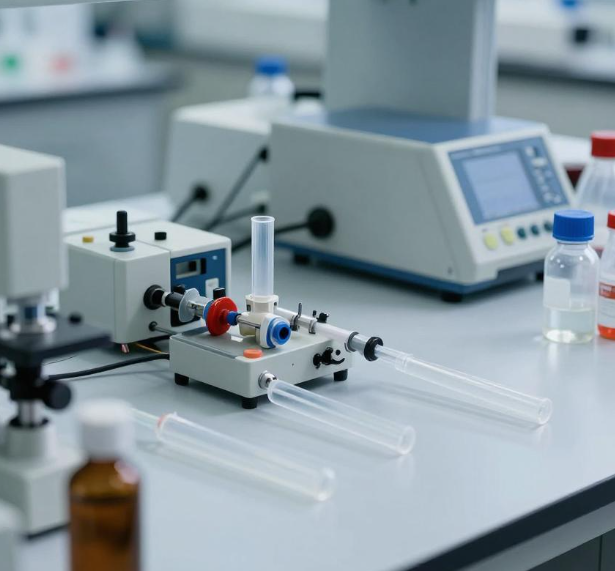
26Aug-2026ท่อ PEEK ทางการแพทย์เข้ากันได้ทางชีวภาพหรือไม่ สิ่งที่ผู้ผลิตจำเป็นต้องรู้คือ ท่อ แอบมอง ทางการแพทย์ เข้ากันได้ทางชีวภาพ โดยทั่วไป ท่อ แอบมอง ทางการแพทย์ได้รับการยอมรับว่าเข้ากันได้ทางชีวภาพ และใช้กันอย่างแพร่หลายในอุปกรณ์ที่ต้องสัมผัสกับร่างกาย เนื่องจากมีโครงสร้างทางเคมีที่มั่นคง ตัวเลือกการผลิตที่มีความบริสุทธิ์สูง และความต้านทานต่อการย่อยสลายภายในร่างกาย PEEK ย่อมาจาก polyether ether ketone เป็นเทอร์โมพลาสติกประสิทธิภาพสูงที่ผสมผสานความแข็งแรงเชิงกล ความคงตัวทางความร้อน และความทนทานต่อสารเคมีในลักษณะที่รองรับการใช้งานที่ยาวนานกับส่วนประกอบทางการแพทย์แบบฝังและสัมผัสร่างกาย ส่วนที่ตามมาจะอธิบายคุณลักษณะของวัสดุที่อยู่เบื้องหลังโปรไฟล์ความเข้ากันได้ทางชีวภาพนี้ เปรียบเทียบ PEEK กับความคาดหวังทั่วไปสำหรับโพลีเมอร์วิศวกรรมอื่นๆ และสรุปสิ่งที่ผู้ผลิตควรประเมินเมื่อระบุ ท่อ แอบมอง ทางการแพทย์ สำหรับโปรแกรมอุปกรณ์ อะไรทำให้ PEEK เหมาะสำหรับการใช้งานแบบสัมผัสร่างกาย PEEK เป็นพอลิเมอร์กึ่งผลึกที่ช่วยรักษาโครงสร้างโมเลกุลให้เสถียรภายใต้ความเค้นเชิงกล อุณหภูมิที่สูงขึ้น และการสัมผัสสารเคมีซ้ำๆ ความเสถียรของโครงสร้างนี้เป็นเหตุผลสำคัญที่ทำให้วัสดุต้านทานการพังทลายภายในร่างกายเมื่อเวลาผ่านไป ซึ่งเป็นข้อกำหนดพื้นฐานสำหรับโพลีเมอร์ใดๆ ที่พิจารณาให้ใช้กับร่างกายหรือการใช้งานแบบฝัง ต่างจากโพลีเมอร์บางชนิดที่ทำให้ส่วนประกอบอ่อนตัวลงหรือชะล้างภายใต้สภาวะทางสรีรวิทยา PEEK ยังคงรักษาคุณสมบัติด้านมิติและเชิงกลไว้ในสถานการณ์การสัมผัสที่หลากหลาย ท่อ แอบมอง ทางการแพทย์ Cross Section ผนังวัสดุเดี่ยวที่เป็นเนื้อเดียวกันรองรับคุณสมบัติของพื้นผิวที่สม่ำเสมอ ลักษณะของวัสดุที่สนับสนุนความเข้ากันได้ทางชีวภาพ โครงสร้างโมเลกุลที่เสถียรซึ่งต้านทานการสลายภายใต้สภาวะทางสรีรวิทยา ปฏิกิริยาต่ำกับของเหลวในร่างกายและเคมีฆ่าเชื้อทั่วไป ลักษณะพื้นผิวสม่ำเสมอทั่วทั้งผนังท่อ ความเข้ากันได้กับสภาพแวดล้อมการผลิตที่มีความบริสุทธิ์สูงและมีการควบคุม ความทนทานต่ออุณหภูมิสูงและการฆ่าเชื้อซ้ำ คุณลักษณะที่กำหนดอย่างหนึ่งของ PEEK คือความสามารถในการทำงานอย่างเสถียรในสภาพแวดล้อมที่มีอุณหภูมิสูงถึง 250 องศาเซลเซียส ในขณะที่ยังคงคุณสมบัติทางกลไว้ ความทนทานต่ออุณหภูมิสูงนี้ช่วยให้ท่อ PEEK ทางการแพทย์ทนต่อรอบการฆ่าเชื้อซ้ำๆ ภายใต้สภาวะที่มีอุณหภูมิสูง โดยไม่ทำให้อ่อนตัวหรือเบี่ยงเบนขนาดซึ่งอาจส่งผลต่อโพลีเมอร์ที่มีอุณหภูมิต่ำกว่า การเก็บรักษาคุณสมบัติตลอดวงจรการฆ่าเชื้อ รอบที่ 1 วงจร N PEEK โพลีเมอร์มาตรฐาน เพราะทนทานต่ออุณหภูมิที่สูงกว่า 250 องศาเซลเซียส ท่อ PEEK เกรดทางการแพทย์ สามารถผ่านขั้นตอนการฆ่าเชื้อที่อุณหภูมิสูงซ้ำๆ ขณะเดียวกันก็รักษาความเป็นผลึกและความเสถียรทางความร้อนในระดับสูง ซึ่งเป็นการผสมผสานที่สนับสนุนการใช้งานในส่วนประกอบของอุปกรณ์ที่นำกลับมาใช้ซ้ำหรือผ่านการประมวลผลซ้ำๆ ความแข็งแรงทางกลและความเหนียวแตกหัก PEEK ผสมผสานความแข็งแรงสูงเข้ากับความทนทานต่อการแตกหักสูงและประสิทธิภาพด้านขนาดที่มั่นคง ซึ่งหมายความว่าวัสดุทนทานต่อการแตกหักภายใต้ภาระหนักและค่อยๆ เปลี่ยนรูปเมื่อเวลาผ่านไป การผสมผสานระหว่างความแข็งและความเหนียวนี้ถือเป็นเรื่องปกติในหมู่โพลีเมอร์เชิงวิศวกรรม ซึ่งส่วนใหญ่ชอบคุณสมบัติหนึ่ง แต่อีกคุณสมบัติหนึ่งต้องเสียไป ลักษณะทางกลของ PEEK ความต้านแรงดึง สูง ความเหนียวแตกหัก สูง ความเสถียรของมิติ สูง ความยืดหยุ่นเพียงอย่างเดียว ปานกลาง ลักษณะทั่วไปที่เกี่ยวข้องกับเกรดวัสดุ PEEK ท่อ PEEK แข็งแกร่งแค่ไหนในทางปฏิบัติ ในทางปฏิบัติ ท่อ PEEK สามารถรักษาขนาดได้อย่างแม่นยำภายใต้ภาระทางกล ซึ่งเป็นเหตุผลว่าทำไมจึงมักเลือกใช้ท่อ PEEK สำหรับส่วนประกอบเพลาที่ต้องส่งแรงโดยไม่ยืด แบน หรือสูญเสียความกลมในระหว่างการใช้งานอุปกรณ์ ความเสถียรทางเคมี ความต้านทานการสึกหรอ และความต้านทานเปลวไฟ นอกเหนือจากสมรรถนะทางกลแล้ว PEEK ยังมีความเสถียรทางเคมี ความต้านทานเปลวไฟ และความต้านทานการสึกหรอที่ดี ซึ่งเป็นคุณลักษณะสามประการที่สำคัญตลอดทั้งการผลิตและการใช้งานทางคลินิก ความเสถียรทางเคมีช่วยปกป้องท่อจากการเสื่อมสภาพเมื่อสัมผัสกับสารทำความสะอาด ตัวทำละลายพันธะ และของเหลวในร่างกาย ความต้านทานต่อการสึกหรอรองรับประสิทธิภาพที่สม่ำเสมอในการใช้งานที่ต้องสัมผัสซ้ำๆ หรือการเลื่อนกับส่วนประกอบอื่นๆ ลักษณะความต้านทานที่สำคัญ สารเคมี สวมใส่ เปลวไฟ ความร้อน คือ PEEK Tubing Chemically Resistant ใช่ โดยทั่วไปท่อ PEEK ถือว่าทนทานต่อสารเคมีในตัวทำละลาย สารทำความสะอาด และของเหลวทางสรีรวิทยาทั่วไปหลายชนิดที่พบในทั้งการผลิตและในสถานพยาบาล ซึ่งสนับสนุนการเลือกส่วนประกอบที่ต้องการความเสถียรในการสัมผัสสารเคมีในระยะยาว ท่อ PEEK เปรียบเทียบกับโพลีเมอร์วิศวกรรมอื่นๆ อย่างไร วิศวกรอุปกรณ์มักจะเปรียบเทียบ PEEK กับโพลีเมอร์ประสิทธิภาพสูงอื่นๆ เมื่อเลือกวัสดุท่อสำหรับการใช้งานเฉพาะ แผนภูมิเรดาร์ด้านล่างแสดงการเปรียบเทียบทั่วไประหว่างปัจจัยต่างๆ ที่ได้รับการประเมินโดยทั่วไปในระหว่างการเลือกวัสดุ PEEK กับโพลีเมอร์วิศวกรรมทั่วไป ความแข็งแกร่ง ความร้อน Tolerance สวมใส่ Resistance ความยืดหยุ่น เคมี. ความต้านทาน ความเหนียว PEEK โพลีเมอร์ทั่วไป คือ PEEK Tubing Flexible ท่อ PEEK มีความยืดหยุ่นปานกลางมากกว่าความยืดหยุ่นสูง เนื่องจากโดยทั่วไปคุณลักษณะด้านความแข็งแรงและความแข็งแกร่งจะมีความสำคัญมากกว่าความสามารถในการดัดงอ ในการใช้งานที่ต้องการความยืดหยุ่นสูงกว่า วิศวกรมักจะปรับความหนาของผนังหรือรวม PEEK เข้ากับส่วนประกอบที่มีความยืดหยุ่นรอง แทนที่จะใช้ PEEK เพียงอย่างเดียวสำหรับเพลาที่มีความยืดหยุ่นสูง ความแม่นยำ ความตกผลึก และความสม่ำเสมอในการผลิต PEEK นำเสนอศักยภาพในการผลิตที่มีความแม่นยำสูงพร้อมกับความเป็นผลึกสูง ซึ่งร่วมกันสนับสนุนเสถียรภาพทางความร้อนที่ดีขึ้นและผลลัพธ์เชิงมิติที่ทำซ้ำได้ตลอดขั้นตอนการผลิต ความสอดคล้องนี้มีความเกี่ยวข้องอย่างยิ่งกับ ท่อ PEEK ทางการแพทย์ที่มีผนังบาง โดยที่ความหนาหรือความกลมของผนังเปลี่ยนแปลงเล็กน้อยอาจส่งผลต่อประสิทธิภาพของท่อเมื่อรวมเข้ากับอุปกรณ์สำเร็จรูปแล้ว สรุปข้อดี มีความแม่นยำสูง การผลิตรองรับข้อกำหนดด้านความทนทานที่เข้มงวด ความแข็งรวมกับความเหนียว รองรับความทนทานภายใต้ความเครียดทางกล ทนทาน อุณหภูมิที่สูงกว่า 250 องศาเซลเซียส รองรับการฆ่าเชื้อด้วยอุณหภูมิสูงซ้ำหลายครั้ง มีความเป็นผลึกสูงมีส่วนทำให้ เสถียรภาพทางความร้อนที่ดีขึ้น ตลอดทั้งการประมวลผลและการใช้งาน การใช้งานทั่วไปสำหรับท่อ PEEK ทางการแพทย์ คุณสมบัติที่อธิบายไว้ข้างต้นทำให้ท่อ PEEK เหมาะสำหรับอุปกรณ์หลายประเภทที่ต้องการความแข็งแรง ความคงตัวทางความร้อน และความทนทานต่อสารเคมีไปพร้อมๆ กัน ตารางด้านล่างสรุปขอบเขตการใช้งานทั่วไป การใช้งานทั่วไปสำหรับท่อ PEEK ทางการแพทย์ พื้นที่ใช้งาน คุณสมบัติ PEEK ที่เกี่ยวข้อง ส่วนประกอบเพลาสายสวน ความแข็งแกร่ง and dimensional stability ส่วนประกอบอุปกรณ์ที่ใช้ซ้ำได้ สูง temperature sterilization tolerance สวมใส่ Contact Components สวมใส่ resistance and toughness สารเคมี Exposure Components สารเคมี stability and flame resistance ผู้ผลิตจัดหา ท่อ แอบมอง ทางการแพทย์ for catheters โดยทั่วไปจะประเมินความหนาของผนัง ความทนทานต่อขนาด และการตกแต่งพื้นผิวควบคู่ไปกับคุณสมบัติของวัสดุพื้นฐานเหล่านี้เพื่อยืนยันว่าท่อตรงกับความต้องการทางกลของอุปกรณ์เฉพาะ เกี่ยวกับ LINSTANT: แหล่งที่มาสำหรับท่อ PEEK ทางการแพทย์ NINGBO LINSTANT POLYMER MATERIALS บจก. ก่อตั้งขึ้นในปี 2014 และมีความเชี่ยวชาญในการประมวลผลการอัดขึ้นรูป การเคลือบ และเทคโนโลยีหลังการประมวลผลสำหรับท่อโพลีเมอร์ทางการแพทย์ ในฐานะที่เป็น ท่อ แอบมอง ทางการแพทย์ supplier บริษัทรักษาความมุ่งมั่นในด้านความแม่นยำ ความปลอดภัย ความสามารถในการพัฒนากระบวนการที่หลากหลาย และผลลัพธ์ที่สม่ำเสมอสำหรับผู้ผลิตอุปกรณ์ LINSTANT ดำเนินการเวิร์กช็อปการทำให้บริสุทธิ์บนพื้นที่เกือบ 20,000 ตารางเมตร ซึ่งปฏิบัติตามแนวทางปฏิบัติตามมาตรฐาน GMP โดยได้รับการสนับสนุนจากสายการผลิตอัดรีดที่นำเข้า 15 สายพร้อมสกรูขนาดต่างๆ และความสามารถในการอัดรีดร่วมแบบเดี่ยว สอง และสามชั้น สายการอัดรีด PEEK แปดสาย สายการผลิตการฉีดขึ้นรูปสองสาย อุปกรณ์ทอ การสปริง และการเคลือบเกือบ 100 ชุด และอุปกรณ์เชื่อมและขึ้นรูปสี่สิบชุด ขอบเขตธุรกิจประกอบด้วยท่อเดี่ยวและหลายชั้นแบบอัดรีด ท่อเดี่ยวและหลายลูเมน ท่อบอลลูนเดี่ยว สอง และสามชั้น ปลอกหุ้มเสริมแรงแบบขดและแบบถัก ท่อ PEEK และ PI แบบพิเศษ และโซลูชันการรักษาพื้นผิวต่างๆ จุดเด่นของวัสดุ PEEK สรุปคุณลักษณะวัสดุ PEEK อ้างอิงโดย LINSTANT ลักษณะเฉพาะ คำอธิบาย ความอดทนต่ออุณหภูมิ การทำงานมีเสถียรภาพสูงถึง 250 องศาเซลเซียส โปรไฟล์เครื่องกล สูง strength with high fracture toughness สารเคมี Behavior มีเสถียรภาพทางเคมีที่ดีและทนต่อเปลวไฟ ประสิทธิภาพพื้นผิว ทนต่อการสึกหรอและความเข้ากันได้ทางชีวภาพได้ดี คำถามที่พบบ่อย ไตรมาสที่ 1 ท่อ PEEK ทางการแพทย์คืออะไร? ท่อ PEEK ทางการแพทย์เป็นท่อที่ผลิตจากโพลีอีเทอร์อีเทอร์คีโตน ซึ่งเป็นเทอร์โมพลาสติกประสิทธิภาพสูงที่รู้จักกันในด้านความแข็งแรง ความคงตัวทางความร้อน และความเข้ากันได้ทางชีวภาพในการใช้งานอุปกรณ์ทางการแพทย์ ไตรมาสที่ 2 ท่อ PEEK ใช้ทำอะไร? ใช้ในส่วนประกอบเพลาสายสวน ชิ้นส่วนอุปกรณ์ที่นำกลับมาใช้ใหม่ได้ และการใช้งานอื่นๆ ที่ต้องการความแข็งแรง ความคงตัวของมิติ และการทนต่อสารเคมีร่วมกัน ไตรมาสที่ 3 เหตุใดจึงใช้ PEEK ในอุปกรณ์การแพทย์ PEEK ผสมผสานความแข็งแรงสูง ความคงตัวทางความร้อน ความทนทานต่อสารเคมี และความเข้ากันได้ทางชีวภาพไว้ในวัสดุเดียว ซึ่งช่วยลดความจำเป็นในการแลกเปลี่ยนคุณสมบัติหนึ่งกับอีกคุณสมบัติหนึ่งในระหว่างการออกแบบอุปกรณ์ ไตรมาสที่ 4 ท่อ PEEK ทางการแพทย์มีประโยชน์อย่างไร? ข้อดีต่างๆ ได้แก่ การผลิตที่มีความแม่นยำสูง ความแข็งและความเหนียวรวมกัน ความทนทานต่อการฆ่าเชื้อที่อุณหภูมิสูงซ้ำๆ และประสิทธิภาพของมิติที่มั่นคงเมื่อเวลาผ่านไป คำถามที่ 5 PEEK เกรดทางการแพทย์คืออะไร? PEEK เกรดทางการแพทย์หมายถึงวัสดุ PEEK ที่ผ่านการประมวลผลและควบคุมตามมาตรฐานที่เหมาะสมสำหรับใช้ในอุปกรณ์ทางการแพทย์ รวมถึงส่วนประกอบที่สัมผัสร่างกายและนำกลับมาใช้ใหม่ได้ คำถามที่ 6 ท่อ PEEK แข็งแรงแค่ไหน? ท่อ PEEK มีความต้านทานแรงดึงสูงรวมกับความทนทานต่อการแตกหักสูง ช่วยให้ทนทานต่อการแตกหักภายใต้การรับน้ำหนักและการเสียรูปทีละน้อยจากการใช้งานซ้ำๆ คำถามที่ 7 ท่อ PEEK มีความยืดหยุ่นหรือไม่? ท่อ PEEK มีความยืดหยุ่นปานกลางมากกว่าความยืดหยุ่นสูง เนื่องจากการออกแบบโดยทั่วไปจะให้ความสำคัญกับความแข็งแรงและความเสถียรของมิติมากกว่าความสามารถในการดัดงอ คำถามที่ 8 ท่อ PEEK ทนต่อการสึกหรอหรือไม่? ใช่ ท่อ PEEK มีความต้านทานการสึกหรอที่ดี ซึ่งสนับสนุนประสิทธิภาพที่สม่ำเสมอในการใช้งานที่เกี่ยวข้องกับการสัมผัสซ้ำๆ หรือการเลื่อนกับส่วนประกอบอื่นๆ คำถามที่ 9 ท่อ PEEK ทนต่อสารเคมีหรือไม่? ใช่ ท่อ PEEK มีความเสถียรทางเคมีที่ดีกับตัวทำละลาย สารทำความสะอาด และของเหลวทางสรีรวิทยาทั่วไปที่พบในการผลิตและการใช้งานทางคลินิก คำถามที่ 10 ท่อ PEEK สามารถทนต่ออุณหภูมิสูงได้หรือไม่ ใช่ ท่อ PEEK สามารถทำงานได้อย่างเสถียรในสภาพแวดล้อมที่มีอุณหภูมิสูงถึง 250 องศาเซลเซียส ทำให้สามารถทนต่อการฆ่าเชื้อซ้ำๆ ภายใต้สภาวะที่มีอุณหภูมิสูง .li-pk-section{margin-bottom:40px;}.li-pk-section h2{font-size:22px;font-weight:bold;text-align:left;line-height:1.4;margin-bottom:15px;color:#005c8f;padding-left:14px;border-left:5px solid #008cd6;}.li-pk-section h3{font-size:16px;font-weight:bold;text-align:left;line-height:1.6;margin-bottom:15px;color:#0069a3;}.li-pk-section p{font-size:16px;text-align:left;line-height:2;margin-bottom:15px;color:#333333;}.li-pk-section ul{margin-bottom:15px;padding-left:0;}.li-pk-section ol{margin-bottom:15px;padding-left:0;}.li-pk-section li{font-size:16px;line-height:2;margin-bottom:5px;color:#333333;}.li-pk-intro{background:linear-gradient(135deg,#eaf5fc 0%,#dcedf8 100%);border-radius:10px;padding:24px;}.li-pk-what{background-color:#ffffff;border:1px solid #dbe9f5;border-radius:10px;padding:24px;}.li-pk-thermal{background:linear-gradient(180deg,#f2f9fd 0%,#ffffff 100%);border-radius:10px;padding:24px;}.li-pk-strength{background-color:#ffffff;padding:24px;border-radius:10px;box-shadow:0 1px 4px rgba(0,140,214,0.08);}.li-pk-chemical{background:linear-gradient(135deg,#e8f3fb 0%,#f6fbfd 100%);border-radius:10px;padding:24px;}.li-pk-compare{background-color:#ffffff;padding:24px;border-radius:10px;border:1px solid #dbe9f5;}.li-pk-precision{background:linear-gradient(180deg,#f0f8fc 0%,#ffffff 100%);border-radius:10px;padding:24px;}.li-pk-applications{background:linear-gradient(135deg,#e3f0f9 0%,#f4fafd 100%);border-radius:10px;padding:24px;}.li-pk-company{background:linear-gradient(135deg,#dfeefa 0%,#cfe6f6 100%);border-radius:10px;padding:24px;}.li-pk-faq{background-color:#ffffff;padding:24px;border-radius:10px;}.li-pk-faq h2{border-left:5px solid #008cd6;margin-bottom:20px;}.li-pk-chart-wrap{width:440px;margin:0 auto 15px auto;background-color:#ffffff;border-radius:8px;padding:10px;box-shadow:0 1px 6px rgba(0,140,214,0.10);}.li-pk-chart-wrap svg{width:100%;height:auto;display:block;}.li-pk-section table caption{caption-side:bottom;font-size:16px;margin-bottom:12px;font-style:italic;color:#808080;}.li-pk-section table thead th{background-color:#008cd6;color:#ffffff;}.li-pk-section table tbody tr:nth-child(even){background-color:#eef7fc;}.li-pk-section table tbody tr:nth-child(odd){background-color:#ffffff;}.li-pk-faq-grid{display:flex;flex-wrap:wrap;gap:16px;}.li-pk-faq-item{flex:0 0 calc(50% - 8px);background:linear-gradient(135deg,#eef7fd 0%,#e0f0fa 100%);border-left:4px solid #008cd6;border-radius:8px;padding:16px 18px;box-sizing:border-box;}.li-pk-faq-item h3{color:#005c8f;margin-bottom:8px;font-size:16px;}.li-pk-faq-item p{margin-bottom:0;font-size:16px;line-height:1.9;color:#333333;}@media only screen and (max-width:640px){.li-pk-chart-wrap{width:100%;}.li-pk-faq-item{flex:0 0 100%;}.li-pk-section h2{font-size:20px;padding-left:10px;}.li-pk-intro,.li-pk-what,.li-pk-thermal,.li-pk-strength,.li-pk-chemical,.li-pk-compare,.li-pk-precision,.li-pk-applications,.li-pk-company,.li-pk-faq{padding:16px;}}
-
20Aug-2026ท่อ PI ทางการแพทย์: คุณสมบัติหลัก 7 ประการที่วิศวกรอุปกรณ์การแพทย์ควรรู้คุณสมบัติสำคัญ 7 ประการของ ท่อ PI ทางการแพทย์ วิศวกรควรประเมิน ท่อ PI ทางการแพทย์ได้รับการยกย่องจากวิศวกรอุปกรณ์เป็นหลักจากการผสมผสานระหว่างความต้านทานแรงดึงสูงในผนังที่บางมาก ความเสถียรทางความร้อนที่แข็งแกร่ง ความต้านทานต่อสารเคมีในวงกว้าง ความคลาดเคลื่อนของขนาดที่จำกัด ความเข้ากันได้ทางชีวภาพ ความยืดหยุ่นที่ควบคุมได้ และความเข้ากันได้กับกระบวนการเสริมแรงหรือการเคลือบ เมื่อนำคุณสมบัติทั้งเจ็ดนี้มารวมกัน อธิบายว่าทำไมโพลีอิไมด์จึงถูกเลือกซ้ำๆ กันเป็นวัสดุท่อฐานสำหรับสายสวน เพลาไมโครสายสวน และส่วนประกอบอื่นๆ ของอุปกรณ์ที่มีการบุกรุกน้อยที่สุด ซึ่งความหนาของผนังและความน่าเชื่อถือเชิงกลมีความสำคัญทั้งคู่ ส่วนด้านล่างนี้จะตรวจสอบคุณสมบัติแต่ละอย่างโดยละเอียด เปรียบเทียบโพลีอิไมด์กับความคาดหวังทั่วไปสำหรับวัสดุท่ออื่นๆ และสรุปว่าคุณลักษณะแต่ละอย่างมีความเกี่ยวข้องมากที่สุดในระหว่างการออกแบบและการผลิตอุปกรณ์ที่ใด คุณสมบัติ 1: ความต้านทานแรงดึงสูงในผนังบาง หนึ่งในเหตุผลที่ถูกอ้างถึงมากที่สุดในการเลือก ท่อ PI ทางการแพทย์ คือสามารถทนต่อแรงดึงได้มากในขณะที่ยังคงรักษาหน้าตัดที่บางมากไว้ได้ สิ่งนี้มีความสำคัญโดยตรงในการออกแบบสายสวน โดยที่ทุกส่วนของความหนาของผนังสามารถจัดสรรใหม่ไปยังลูเมนด้านในที่ใหญ่ขึ้นหรือเส้นผ่านศูนย์กลางภายนอกที่เล็กลง ซึ่งทั้งสองอย่างนี้ช่วยปรับปรุงประสิทธิภาพของอุปกรณ์ การเปรียบเทียบความแข็งแรงต่อความหนาของผนัง โพลีอิไมด์ สูง ไนลอนมาตรฐาน ปานกลาง ไฟเบอร์ ปานกลาง โพลียูรีเทน ล่าง การเปรียบเทียบความแข็งแรงที่เก็บไว้ที่ความหนาของผนังบาง เนื่องจากวัสดุรับน้ำหนักได้อย่างมีประสิทธิภาพในระดับบาง ท่อโพลีอิไมด์ผนังบางพิเศษ มักระบุไว้สำหรับชั้นไลเนอร์ในสายสวนขนาดเล็กและอุปกรณ์ขนาดเล็กอื่นๆ โดยที่ความหนาของผนังที่เพิ่มขึ้นทุกครั้งจะแข่งขันโดยตรงกับพื้นที่ลูเมนที่ใช้งานได้ คุณสมบัติ 2: ความเสถียรทางความร้อนในช่วงอุณหภูมิที่กว้าง ท่อโพลีอิไมด์ยังคงรักษาคุณสมบัติทางกลและมิติไว้ตลอดช่วงอุณหภูมิที่กว้าง เมื่อเทียบกับโพลีเมอร์เอนกประสงค์หลายตัว สิ่งนี้ไม่เพียงเกี่ยวข้องในระหว่างการใช้งานทางคลินิกเท่านั้น แต่ยังรวมถึงตลอดขั้นตอนการผลิต เช่น การบัดกรีแบบรีโฟลว์ของส่วนประกอบใกล้เคียง การเชื่อมด้วยความร้อน และการประมวลผลที่เกี่ยวข้องกับการฆ่าเชื้อ โดยที่ท่อจะต้องไม่ทำให้อ่อนตัว เสียรูป หรือสูญเสียความแม่นยำของมิติ การเก็บรักษาทรัพย์สินสัมพัทธ์เทียบกับอุณหภูมิ ต่ำ สูง Temp โพลีอิไมด์ โพลีเมอร์มาตรฐาน หน้าต่างเสถียรภาพทางความร้อนที่กว้างนี้เป็นเหตุผลหนึ่ง ท่อโพลีอิไมด์เกรดทางการแพทย์ ยังคงรักษาความสม่ำเสมอของมิติผ่านขั้นตอนของกระบวนการประกอบอุปกรณ์ซึ่งจะทำให้วัสดุท่อทางเลือกหลายอย่างอ่อนลงหรือบิดเบี้ยว คุณสมบัติ 3: ความต้านทานต่อสารเคมีและตัวทำละลายในวงกว้าง การผลิตอุปกรณ์การแพทย์และการใช้งานทางคลินิกทำให้ท่อสัมผัสกับจุดสัมผัสสารเคมีต่างๆ รวมถึงสารทำความสะอาด สารคอนทราสต์ ตัวทำละลายพันธะ และของเหลวทางสรีรวิทยา โดยทั่วไปโพลีอิไมด์ได้รับการยอมรับว่าต้านทานการย่อยสลายจากตัวทำละลายและสารเคมีทั่วไปจำนวนมากที่พบในระหว่างการผลิตและการใช้งานอุปกรณ์ ซึ่งช่วยรักษาความสมบูรณ์ของท่อตลอดอายุการใช้งานของส่วนประกอบ จุดสัมผัสทั่วไปในระหว่างการผลิตและการใช้งาน ตัวทำละลายในการยึดเกาะและกาวที่ใช้ระหว่างการประกอบเพลาสายสวน สารทำความสะอาดและขจัดคราบไขมันที่ใช้ในสภาพแวดล้อมการผลิต สารตัดกันและสารละลายน้ำเกลือที่พบในระหว่างขั้นตอน เคมีการเคลือบและสารหล่อลื่นที่ใช้กับพื้นผิวท่อด้านนอก การเปรียบเทียบความต้านทานต่อสารเคมี ตัวทำละลาย น้ำยาทำความสะอาด ของเหลวในร่างกาย กาว สารเคลือบ คุณสมบัติ 4: ความคลาดเคลื่อนมิติที่แน่นหนาและความสม่ำเสมอของผนัง เส้นผ่านศูนย์กลางภายใน เส้นผ่านศูนย์กลางภายนอก และศูนย์กลางของผนังสม่ำเสมอเป็นสิ่งสำคัญสำหรับท่อที่จะเสริมความแข็งแรง เคลือบ หรือเชื่อมประสานเข้ากับเพลาสายสวนแบบหลายชั้นในภายหลัง ท่อโพลีอิไมด์ที่ผลิตผ่านการอัดขึ้นรูปที่มีความแม่นยำหรือกระบวนการหล่อด้วยตัวทำละลายสามารถบรรลุแถบพิกัดความเผื่อที่แคบ ซึ่งรองรับการประกอบซ้ำและพฤติกรรมทางกลที่คาดการณ์ได้ทั่วทั้งล็อตการผลิต ผนังด้านนอก เจาะด้านใน ความหนาของผนังและโซนความคลาดเคลื่อน รูปทรงของผนังที่สม่ำเสมอช่วยสนับสนุนการยึดเกาะและการเสริมแรงที่คาดเดาได้ การควบคุมมิติระดับนี้เป็นเหตุผลสำคัญที่ทีมวิศวกรจำนวนมากร้องขอ ท่อไมโครสายสวนแบบผนังบาง สร้างขึ้นโดยเฉพาะเพื่อให้ตรงกับลูเมนภายในเป้าหมาย ในขณะที่อยู่ภายในช่วงเส้นผ่านศูนย์กลางภายนอกที่กำหนดไว้สำหรับอุปกรณ์สำเร็จรูป คุณสมบัติ 5: ความเข้ากันได้ทางชีวภาพสำหรับการใช้งานแบบสัมผัสร่างกาย โพลีอิไมด์ที่ใช้ในท่อทางการแพทย์ได้รับการคัดเลือกสำหรับสูตรที่เหมาะกับการใช้งานที่สัมผัสกับร่างกาย โดยรองรับการใช้เป็นวัสดุซับในสายสวนและอุปกรณ์อื่นๆ ที่สัมผัสกับเนื้อเยื่อหลอดเลือดหรือของเหลวในร่างกายในระหว่างหัตถการ ท่อโพลีอิไมด์ที่เข้ากันได้ทางชีวภาพ โดยทั่วไปจะผลิตภายใต้สภาวะการผลิตที่ได้รับการควบคุมเพื่อช่วยรักษาความบริสุทธิ์ของวัสดุและความสม่ำเสมอในแต่ละชุด เหตุใดความเข้ากันได้ทางชีวภาพจึงมีความสำคัญในการเลือกท่อ โดยทั่วไป ทีมอุปกรณ์จะประเมินความเข้ากันได้ทางชีวภาพควบคู่ไปกับประสิทธิภาพเชิงกล แทนที่จะพิจารณาแยกกัน เนื่องจากวัสดุของท่อจะต้องเป็นไปตามข้อกำหนดทั้งสองพร้อมกันจึงจะสามารถใช้งานได้กับการใช้งานกับสายสวนหรือผู้แนะนำ นี่เป็นเหตุผลหนึ่งที่โพลีอิไมด์ยังคงถูกจับคู่กับชั้นเสริมแรง แทนที่จะถูกแทนที่ด้วยตัวเลือกโพลีเมอร์อื่นๆ คุณสมบัติ 6: ความยืดหยุ่นที่ควบคุมได้และพฤติกรรมการโค้งงอที่คาดการณ์ได้ แม้ว่าโพลิอิไมด์เพียงอย่างเดียวจะมีความแข็งเมื่อเทียบกับวัสดุท่ออีลาสโตเมอร์บางชนิด แต่พฤติกรรมการโค้งงอของโพลีอิไมด์สามารถคาดเดาได้สูง ซึ่งช่วยให้วิศวกรสามารถออกแบบเพลาสายสวนที่มีลักษณะการงอที่รู้จัก แทนที่จะเป็นแบบแปรผันได้ ความสามารถในการคาดการณ์นี้มักจะมีคุณค่าในการออกแบบสายสวนมากกว่าความยืดหยุ่นเพียงอย่างเดียว เนื่องจากเพลาที่มีการตอบสนองการโค้งงอที่ไม่แน่นอนจะควบคุมได้ยากระหว่างการนำทาง โพลีอิไมด์ vs General Tubing Materials ความแข็งแกร่ง เสถียรภาพทางความร้อน ความแม่นยำ ความยืดหยุ่น เคมี. ความต้านทาน ความบางของผนัง โพลีอิไมด์ โพลีเมอร์ทั่วไป เนื่องจากพฤติกรรมการโค้งงอสามารถคาดเดาได้มากกว่าความยืดหยุ่นในตัวเอง Polyimide liner จึงมักถูกรวมเข้ากับชั้นเสริมแรง เมื่อการออกแบบสายสวนต้องการทั้งความยืดหยุ่นและการฟื้นตัวที่ควบคุมได้ โดยเฉพาะอย่างยิ่งใน ท่อโพลีอิไมด์สำหรับสายสวนขนาดเล็ก ที่ต้องวิ่งผ่านเรือโค้งแคบๆ คุณสมบัติ 7: ความเข้ากันได้กับกระบวนการเสริมแรงและการเคลือบ คุณสมบัติในทางปฏิบัติที่มักได้รับความสนใจน้อยกว่าความแข็งแรงของวัตถุดิบก็คือการที่สารตั้งต้นของท่อเกาะติดกับกระบวนการรอง เช่น การถักเปีย การขดม้วน และการเคลือบแจ็คเก็ตด้านนอกได้ดีเพียงใด โดยทั่วไปพื้นผิวโพลีอิไมด์ยอมรับการเสริมแรงแบบถักเปียและการเคลือบขั้นที่สองอย่างดี ซึ่งเป็นส่วนหนึ่งว่าทำไมจึงทำงานได้อย่างมีประสิทธิภาพในฐานะชั้นไลเนอร์ภายในเพลาสายสวนหลายชั้น แทนที่จะเป็นเพียงท่อเดี่ยวๆ ข้อควรพิจารณาเกี่ยวกับความเข้ากันได้ของกระบวนการสำหรับท่อไลเนอร์โพลีอิไมด์ กระบวนการรอง บทบาทในอุปกรณ์สำเร็จรูป การถักเปีย เพิ่มการส่งแรงบิดและความแรงในการระเบิด ขด ปรับปรุงความต้านทานการหักงอผ่านส่วนโค้ง แจ็คเก็ตด้านนอก ล็อคการเสริมแรงและทำให้พื้นผิวด้านนอกเรียบ การรักษาพื้นผิว ปรับคุณสมบัติการหล่อลื่นและการยึดเกาะ ความเข้ากันได้แบบเลเยอร์นี้เป็นสาเหตุ ท่อ PI ทางการแพทย์สำหรับสายสวน มักถูกจัดหาให้เป็นส่วนประกอบซับฐานสำหรับการประมวลผลเพิ่มเติม แทนที่จะเป็นผลิตภัณฑ์เดี่ยวสำเร็จรูป ในกรณีที่มีการใช้ท่อ PI ทางการแพทย์โดยทั่วไป คุณสมบัติเจ็ดประการที่กล่าวถึงข้างต้นรวมกันเพื่อทำให้ท่อโพลีอิไมด์เหมาะสมกับการใช้งานอุปกรณ์ที่มีการบุกรุกน้อยที่สุด ตารางด้านล่างสรุปกรณีการใช้งานทั่วไปที่เกี่ยวข้องกับวิศวกรในการจัดหาวัสดุนี้ การใช้งานทั่วไปสำหรับท่อ PI ทางการแพทย์ ใบสมัคร ทรัพย์สินที่เกี่ยวข้อง Microcatheter Liners ความแข็งแรงของผนังบางและความแม่นยำของมิติ แนวทางสายสวน Catheter ทนต่อสารเคมีและความเข้ากันได้ของการเคลือบ เพลาระบบจัดส่ง พฤติกรรมการโค้งงอที่คาดการณ์ได้พร้อมการเสริมแรง ส่วนประกอบของผู้แนะนำ ความเข้ากันได้ทางชีวภาพและความเสถียรทางความร้อน เกี่ยวกับ LINSTANT: แหล่งที่มาสำหรับท่อ PI ทางการแพทย์ NINGBO LINSTANT POLYMER MATERIALS บจก. ก่อตั้งขึ้นในปี 2014 และมีความเชี่ยวชาญในการประมวลผลการอัดขึ้นรูป การเคลือบ และเทคโนโลยีหลังการประมวลผลสำหรับท่อโพลีเมอร์ทางการแพทย์ ในฐานะที่เป็น ผู้จัดจำหน่ายท่อ PI เกรดทางการแพทย์ บริษัททำงานเพื่อสนับสนุนการพัฒนากระบวนการที่มีความแม่นยำ ความสม่ำเสมอ และหลากหลายสำหรับผู้ผลิตอุปกรณ์ที่จัดหาส่วนประกอบซับในและท่อเพลา LINSTANT ดำเนินการเวิร์กช็อปการทำให้บริสุทธิ์บนพื้นที่เกือบ 20,000 ตารางเมตร ซึ่งปฏิบัติตามแนวทางปฏิบัติตามมาตรฐาน GMP โดยได้รับการสนับสนุนจากสายการผลิตอัดรีดที่นำเข้า 15 สายพร้อมสกรูขนาดต่างๆ และความสามารถในการอัดรีดร่วมแบบเดี่ยว สอง และสามชั้น สายการอัดรีด PEEK แปดสาย สายการผลิตการฉีดขึ้นรูปสองสาย อุปกรณ์ทอ การสปริง และการเคลือบเกือบ 100 ชุด และอุปกรณ์เชื่อมและขึ้นรูปสี่สิบชุด ขอบเขตธุรกิจประกอบด้วยท่อเดี่ยวและหลายชั้นแบบอัดรีด ท่อเดี่ยวและหลายลูเมน ท่อบอลลูนเดี่ยว สอง และสามชั้น ปลอกหุ้มเสริมแรงแบบขดและแบบถัก ท่อ PEEK และ PI แบบพิเศษ และโซลูชันการรักษาพื้นผิวต่างๆ ภาพรวมสิ่งอำนวยความสะดวก LINSANT ท่ออัดรีด / ปี 20,000,000 ท่อถัก/ปี 2,000,000 พื้นที่ห้องสะอาด (ตร.ม.) 30,000 ตรม อุปกรณ์ทดสอบและห้องปฏิบัติการ 1,500 สิทธิในทรัพย์สินทางปัญญา 50 ทีมประเมิน ก ท่อ PI ทางการแพทย์ที่กำหนดเอง งานสร้างมักจะทำงานโดยตรงกับวิศวกรกระบวนการเพื่อกำหนดความหนาของผนัง แถบพิกัดความเผื่อ และความต้องการในการบำบัดพื้นผิว ก่อนที่จะเข้าสู่ขั้นตอนการเสริมแรงหรือการเคลือบ เนื่องจากการตัดสินใจขั้นต้นเหล่านี้จะกำหนดวิธีการทำงานของท่อที่เสร็จแล้วเมื่อรวมเข้ากับเพลาสายสวน คำถามที่พบบ่อย ไตรมาสที่ 1 ท่อ PI ทางการแพทย์คืออะไร? ท่อ PI ทางการแพทย์หมายถึงท่อโพลีอิไมด์ที่ผลิตเพื่อใช้ในอุปกรณ์ทางการแพทย์ โดยคำนึงถึงความแข็งแรงของผนังบาง ความเสถียรทางความร้อน และความทนทานต่อสารเคมี ไตรมาสที่ 2 ท่อโพลีอิไมด์ใช้ทำอะไร? โดยหลักแล้วจะใช้เป็นวัสดุซับหรือเพลาในสายสวน สายสวนขนาดเล็ก และระบบนำส่งที่จำเป็นต้องมีผนังบางและพฤติกรรมทางกลที่คาดการณ์ได้ ไตรมาสที่ 3 เหตุใดโพลีอิไมด์จึงถูกนำมาใช้ในอุปกรณ์การแพทย์? โพลีอิไมด์ offers a strong combination of tensile strength, dimensional precision, and chemical resistance in a thin cross-section, which supports smaller device profiles without sacrificing performance. ไตรมาสที่ 4 ท่อ PI ทางการแพทย์มีประโยชน์อย่างไร? ข้อดีได้แก่ ความแข็งแรงสูงที่ผนังบาง สมรรถนะที่มั่นคงตลอดช่วงอุณหภูมิ ความต้านทานต่อตัวทำละลายและของเหลวทั่วไป และค่าความคลาดเคลื่อนของขนาดที่แคบ คำถามที่ 5 การใช้งานใดบ้างที่ใช้ท่อโพลีอิไมด์ การใช้งานประกอบด้วยสายสวน เพลาไมโครสายสวน ส่วนประกอบของระบบนำส่ง และท่อแนะนำสำหรับประเภทอุปกรณ์หลอดเลือดหัวใจและหลอดเลือดส่วนปลาย คำถามที่ 6 เหตุใดจึงใช้ท่อโพลีอิไมด์ในสายสวน สายสวนต้องใช้วัสดุซับหรือเพลาที่คงรูปร่างขนาดเล็กไว้ในขณะเดียวกันก็ต้านทานความเครียดทางกลและเคมีของการนำทางและการใช้ขั้นตอน ซึ่งโพลิอิไมด์เหมาะสมอย่างยิ่งที่จะให้ได้ คำถามที่ 7 ท่อโพลีอิไมด์เหมาะสำหรับสายสวนไมโครคาเทอร์หรือไม่ ใช่ ท่อโพลีอิไมด์ชนิดผนังบางมักใช้ในสายสวนขนาดเล็ก เนื่องจากทำให้มีเส้นผ่านศูนย์กลางภายนอกขนาดเล็กได้ โดยยังคงรักษาพื้นที่ลูเมนภายในที่ใช้งานได้ คำถามที่ 8 Polyimide catheter liner คืออะไร? ไลเนอร์สายสวนโพลีอิไมด์เป็นชั้นท่อด้านในของเพลาสายสวน ซึ่งให้พื้นผิวลูเมนที่เรียบและมีแรงเสียดทานต่ำใต้ชั้นเสริมแรงหรือชั้นแจ็คเก็ตด้านนอก คำถามที่ 9 ท่อโพลีอิไมด์ช่วยปรับปรุงประสิทธิภาพของสายสวนได้อย่างไร โดยสร้างชั้นฐานที่บาง แข็งแรง และมีมิติที่มั่นคง ซึ่งรองรับพฤติกรรมการโค้งงอที่คาดการณ์ได้ และเข้ากันได้กับกระบวนการเสริมแรง เช่น การถักเปียหรือการขด คำถามที่ 10 ท่อใดดีที่สุดสำหรับสายสวน? ไม่มีวัสดุใดที่ดีที่สุดสำหรับท่อสวนไลเนอร์ทุกอัน เนื่องจากความต้องการแตกต่างกันไปตามขั้นตอน แต่โพลิอิไมด์จะถูกเลือกอย่างกว้างขวางเมื่อความแข็งแรงของผนังบางและความแม่นยำของขนาดเป็นสิ่งสำคัญ .li-pit-section{margin-bottom:40px;}.li-pit-section h2{font-size:22px;font-weight:bold;text-align:left;line-height:1.4;margin-bottom:15px;color:#005c8f;padding-left:14px;border-left:5px solid #008cd6;}.li-pit-section h3{font-size:16px;font-weight:bold;text-align:left;line-height:1.6;margin-bottom:15px;color:#0069a3;}.li-pit-section p{font-size:16px;text-align:left;line-height:2;margin-bottom:15px;color:#333333;}.li-pit-section ul{margin-bottom:15px;padding-left:0;}.li-pit-section ol{margin-bottom:15px;padding-left:0;}.li-pit-section li{font-size:16px;line-height:2;margin-bottom:5px;color:#333333;}.li-pit-intro{background:linear-gradient(135deg,#eaf8fb 0%,#dff3f6 100%);border-radius:10px;padding:24px;}.li-pit-prop1{background-color:#ffffff;border:1px solid #dceef3;border-radius:10px;padding:24px;}.li-pit-prop2{background:linear-gradient(180deg,#f4fcfd 0%,#ffffff 100%);border-radius:10px;padding:24px;}.li-pit-prop3{background-color:#ffffff;padding:24px;border-radius:10px;box-shadow:0 1px 4px rgba(0,140,214,0.08);}.li-pit-prop4{background:linear-gradient(135deg,#e9f7fa 0%,#f7fdfd 100%);border-radius:10px;padding:24px;}.li-pit-prop5{background-color:#ffffff;padding:24px;border-radius:10px;border:1px solid #dceef3;}.li-pit-prop6{background:linear-gradient(180deg,#f2fbfc 0%,#ffffff 100%);border-radius:10px;padding:24px;}.li-pit-prop7{background-color:#ffffff;padding:24px;border-radius:10px;box-shadow:0 1px 4px rgba(0,140,214,0.08);}.li-pit-applications{background:linear-gradient(135deg,#e3f4f9 0%,#f4fcfd 100%);border-radius:10px;padding:24px;}.li-pit-company{background:linear-gradient(135deg,#e3f4f9 0%,#d9eef2 100%);border-radius:10px;padding:24px;}.li-pit-faq{background-color:#ffffff;padding:24px;border-radius:10px;}.li-pit-faq h2{border-left:5px solid #008cd6;margin-bottom:20px;}.li-pit-chart-wrap{width:440px;margin:0 auto 15px auto;background-color:#ffffff;border-radius:8px;padding:10px;box-shadow:0 1px 6px rgba(0,140,214,0.10);}.li-pit-chart-wrap svg{width:100%;height:auto;display:block;}.li-pit-section table caption{caption-side:bottom;font-size:16px;margin-bottom:12px;font-style:italic;color:#808080;}.li-pit-section table thead th{background-color:#008cd6;color:#ffffff;}.li-pit-section table tbody tr:nth-child(even){background-color:#f0f9fc;}.li-pit-section table tbody tr:nth-child(odd){background-color:#ffffff;}.li-pit-faq-grid{display:flex;flex-wrap:wrap;gap:16px;}.li-pit-faq-item{flex:0 0 calc(50% - 8px);background:linear-gradient(135deg,#f0fbfd 0%,#e6f6fb 100%);border-left:4px solid #008cd6;border-radius:8px;padding:16px 18px;box-sizing:border-box;}.li-pit-faq-item h3{color:#005c8f;margin-bottom:8px;font-size:16px;}.li-pit-faq-item p{margin-bottom:0;font-size:16px;line-height:1.9;color:#333333;}@media only screen and (max-width:640px){.li-pit-chart-wrap{width:100%;}.li-pit-faq-item{flex:0 0 100%;}.li-pit-section h2{font-size:20px;padding-left:10px;}.li-pit-intro,.li-pit-prop1,.li-pit-prop2,.li-pit-prop3,.li-pit-prop4,.li-pit-prop5,.li-pit-prop6,.li-pit-prop7,.li-pit-applications,.li-pit-company,.li-pit-faq{padding:16px;}}
-
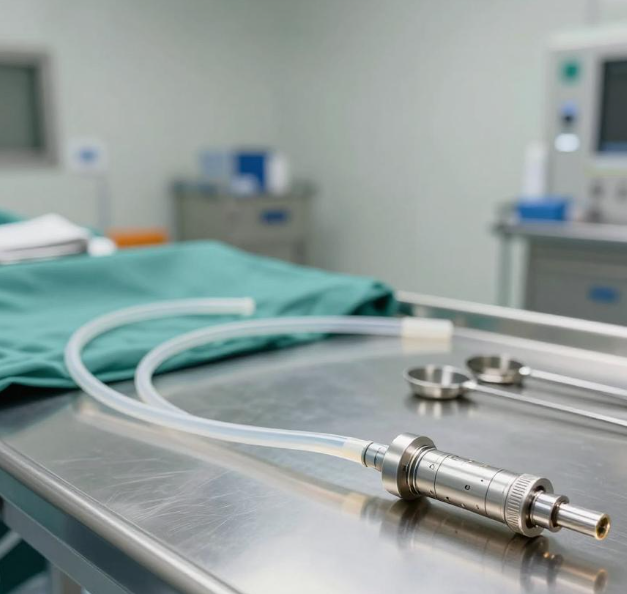
13Aug-2026เหตุใดท่อ Polyimide เสริมแรงจึงถูกนำมาใช้ในสายสวนทางการแพทย์?ทำไม ท่อโพลีอิไมด์เสริมแรง เป็นตัวเลือกที่ต้องการสำหรับสายสวนทางการแพทย์ ท่อโพลีอิไมด์เสริมแรงทางการแพทย์ถูกนำมาใช้ในสายสวน เนื่องจากมีผนังบางมากที่มีความต้านทานแรงดึงสูง การส่งผ่านแรงบิดที่แม่นยำ และความต้านทานการหักงอที่แข็งแกร่ง ซึ่งช่วยให้วิศวกรอุปกรณ์สามารถสร้างเพลาสายสวนที่นำทางเส้นทางหลอดเลือดที่แคบและคดเคี้ยว โดยไม่กระทบต่อความสามารถในการผลักดันหรือความสมบูรณ์ของโครงสร้าง โพลีอิไมด์เรซินนั้นมีความคงตัวของขนาดและความทนทานต่อสารเคมีที่โดดเด่นอยู่แล้ว และเมื่อมีการเพิ่มชั้นเสริมแรงโลหะแบบถักหรือแบบขด ท่อก็จะมีความแข็งแรงเชิงกลที่จำเป็นสำหรับการผลัก แรงบิด และการดัดงอตามที่ต้องการของกระบวนการแทรกแซง การรวมกันนี้เป็นเหตุผลที่โพลีอิไมด์เสริมแรงกลายเป็นวิธีการก่อสร้างมาตรฐานสำหรับสายสวนนำทาง สายสวนขนาดเล็ก สายสวนนำส่ง และอุปกรณ์เข้าถึงที่ใช้ในขั้นตอนหัวใจและหลอดเลือด หลอดเลือดประสาท และหลอดเลือดส่วนปลาย หัวข้อต่างๆ ด้านล่างนี้จะอธิบายเกี่ยวกับวัสดุศาสตร์ โครงสร้างการเสริมแรง ความแตกต่างของประสิทธิภาพเมื่อเปรียบเทียบกับท่อที่ไม่เสริมแรง พื้นที่ใช้งานทั่วไป และข้อควรพิจารณาด้านการผลิตที่สร้างรูปร่างของแกนสายสวนโพลีอิไมด์เสริมแรงสำเร็จรูป ท่อ Polyimide เสริมทางการแพทย์คืออะไร ท่อโพลีอิไมด์เสริมแรงสำหรับสายสวนเป็นโครงสร้างท่อคอมโพสิตที่สร้างขึ้นจากชั้นโพลิอิไมด์ฐาน ชั้นเสริมโลหะ เช่น ลวดสแตนเลสหรือนิกเกิลไทเทเนียม และมักเป็นปลอกหุ้มโพลีเมอร์รอง ชั้นโพลีอิไมด์ซึ่งโดยปกติจะใช้ก่อนผ่านกระบวนการหล่อด้วยตัวทำละลายหรือกระบวนการอัดขึ้นรูป จะทำให้เกิดผนังด้านในที่บางมากและมีมิติที่มั่นคง จากนั้นกระบวนการถักเปียหรือขดจะพันลวดละเอียดรอบๆ ชั้นฐานนั้น หลังจากนั้นการเคลือบโพลีเมอร์ด้านนอกจะล็อคการเสริมแรงให้อยู่กับที่ และสร้างพื้นผิวด้านนอกที่เรียบเนียนและต่อเนื่องกัน วิธีการแบบเป็นชั้นนี้เป็นสาเหตุว่าทำไมการก่อสร้างจึงมักถูกอธิบายว่าเป็น ท่อสายสวนโพลีอิไมด์แบบถัก หรือท่อโพลีอิไมด์เสริมขด ขึ้นอยู่กับรูปแบบที่ใช้กับชั้นลวด โครงสร้างแบบถักมักจะชอบการส่งแรงบิดและความต้านทานแรงดันระเบิด ในขณะที่โครงสร้างแบบขดชอบความยืดหยุ่นและความต้านทานการหักงอตามแนวกายวิภาคโค้ง ท่อโพลีอิไมด์เสริมแรง Structure ซับในโพลีอิไมด์ ชั้นโลหะแบบถักหรือขด แจ็คเก็ตโพลีเมอร์ด้านนอก ชั้นการก่อสร้างหลัก ซับโพลีอิไมด์ด้านใน: ให้พื้นผิวลูเมนที่เรียบและมีแรงเสียดทานต่ำ และผนังฐานที่บางและมีมิติที่มั่นคง ชั้นเสริมแรง: ลวดละเอียดแบบถักหรือขดที่เพิ่มการควบคุมแรงบิด ความแรงในการระเบิด และความต้านทานการหักงอ แจ็คเก็ตโพลีเมอร์ด้านนอก: ล็อคการเสริมแรงในตำแหน่งและสร้างโปรไฟล์ภายนอกที่ราบรื่นสำหรับการติดตามผ่านหลอดเลือด คุณสมบัติของวัสดุหลักที่ทำให้โพลีอิไมด์เหมาะสำหรับสายสวน Polyimide ถูกเลือกเป็นชั้นฐานสำหรับท่อสายสวนเสริมแรง เนื่องจากมีความสมดุลของความแข็งแรงของผนังบาง ความเสถียรทางความร้อน และความทนทานต่อสารเคมี เมื่อเปรียบเทียบกับโพลีเมอร์วิศวกรรมอื่นๆ จำนวนมากที่ใช้ในท่อทางการแพทย์แบบอัดขึ้นรูป โพลีอิไมด์ช่วยให้ผนังที่บางกว่าสามารถรับภาระทางกลที่คล้ายกัน ซึ่งรองรับเส้นผ่านศูนย์กลางภายนอกของสายสวนที่เล็กกว่าได้โดยตรงโดยไม่ทำให้ขนาดลูเมนลดลง ลักษณะวัสดุสัมพัทธ์ของโพลีอิไมด์ ความต้านแรงดึง สูง เสถียรภาพทางความร้อน สูง ทนต่อสารเคมี สูง ผนังบางความสามารถ สูง ความยืดหยุ่นเพียงอย่างเดียว ปานกลาง ภาพเปรียบเทียบคุณลักษณะโพลีอิไมด์ที่เกี่ยวข้องกับการออกแบบท่อสวน เนื่องจากโพลีอิไมด์ที่ไม่มีการเสริมแรงนั้นค่อนข้างแข็งและอาจมีแนวโน้มที่จะหักงอได้ภายใต้รัศมีโค้งงอที่แหลมคม วิศวกรสายสวนจึงเสริมการเสริมแรงแบบถักหรือแบบขดเพื่อชดเชยระดับความยืดหยุ่นปานกลาง ในขณะที่ยังคงรักษาความแข็งแรงและข้อดีของผนังบางของโพลีเมอร์พื้นฐาน นี่คือหนึ่งในเหตุผลหลัก ท่อโพลีอิไมด์เสริมแรงทางการแพทย์ ถูกระบุแทนการใช้โพลีอิไมด์เพียงอย่างเดียวในการออกแบบเพลาสายสวนส่วนใหญ่ การถักเปียและการขดช่วยปรับปรุงประสิทธิภาพของเพลาสายสวนอย่างไร การเสริมแรงถูกเพิ่มเข้าไปในท่อโพลีอิไมด์เพื่อแก้ปัญหาในทางปฏิบัติสามประการที่วิศวกรต้องเผชิญเมื่อออกแบบเพลาสายสวน: การรักษาความส่องสว่างของลูเมนในระหว่างการดัดงอ การส่งแรงบิดในการหมุนจากปลายใกล้เคียงไปยังปลายส่วนปลาย และการต้านทานแรงดันภายในที่สร้างขึ้นระหว่างการฉีดคอนทราสต์หรือการพองตัวของบอลลูน ชั้นถักซึ่งโดยทั่วไปทำจากสแตนเลสเนื้อดีหรือลวดนิกเกิลไททาเนียมที่ถักทอในรูปแบบกากบาท กระจายแรงเค้นอย่างสม่ำเสมอรอบเส้นรอบวงของท่อ และมีประสิทธิภาพโดยเฉพาะอย่างยิ่งสำหรับการส่งแรงบิดแบบตัวต่อตัวในท่อสวนและระบบนำส่ง ในทางตรงกันข้าม ชั้นขดจะพันลวดเส้นเดียวหรือคู่ในรูปแบบเกลียวตามความยาวของท่อ โดยทั่วไปการเสริมแรงคอยล์เป็นที่นิยมในส่วนของสายสวนที่ต้องโค้งงอผ่านส่วนโค้งทางกายวิภาคที่แคบ เช่น ส่วนปลายของสายสวนขนาดเล็ก เนื่องจากระยะพิทช์เปิดของคอยล์ต้านทานการหักงอ ในขณะที่ยังคงปล่อยให้เพลาโค้งงอได้อย่างราบรื่น การเปรียบเทียบรูปแบบการเสริมแรง ลักษณะการเสริมแรงแบบถักและขด แรงบิด คิงค์เรส ระเบิดถนน ดิ้น ถักเปีย ขด เพลาสายสวนสำเร็จรูปจำนวนมากไม่ต้องอาศัยการเสริมแรงชนิดเดียวตลอดความยาวทั้งหมด ส่วนใกล้เคียงอาจใช้การถักเปียที่แน่นกว่าสำหรับความสามารถในการผลักและแรงบิด ในขณะที่ส่วนปลายจะเปลี่ยนเป็นขดเปิดเพื่อความยืดหยุ่น เทคนิคนี้เรียกว่าความแข็งแบบแปรผันหรือการออกแบบโซนการเปลี่ยนผ่าน วิธีการแบบผสมผสานนี้พบได้ทั่วไปใน ท่อโพลีอิไมด์เสริมแรงสำหรับสายสวนขนาดเล็ก โดยที่ปลายส่วนปลายจะต้องเคลื่อนตัวไปยังภาชนะขนาดเล็กที่คดเคี้ยว ในขณะที่เพลาส่วนปลายยังคงต้องส่งแรงผลัก การเปรียบเทียบประสิทธิภาพ: ท่อโพลีอิไมด์แบบเสริมแรงกับแบบไม่เสริมแรง คุณค่าในทางปฏิบัติของการเพิ่มชั้นเสริมแรงจะชัดเจนยิ่งขึ้นเมื่อเปรียบเทียบท่อโพลิอิไมด์แบบเสริมแรงและไม่เสริมแรงกับปัจจัยด้านประสิทธิภาพที่สำคัญที่สุดในการใช้งานสายสวน ท่อโพลีอิไมด์แบบไม่เสริมแรงทำงานได้ดีในการใช้งานตรงที่มีแรงบิดต่ำ เช่น ตัวแนะนำหรือปลอกป้องกัน แต่มีข้อจำกัดในสถานการณ์ที่ต้องมีการงอซ้ำๆ การส่งผ่านแรงบิด หรือความต้านทานแรงดันระเบิดที่สูงขึ้น ท่อเสริมและท่อไม่เสริมแรง แรงบิด แรงดันระเบิด คิงค์เรส ดิ้นibility ความบางของผนัง ระบบส่งกำลังแบบพุช เสริมแรง ไม่เสริมแรง สรุปการเปรียบเทียบ การเปรียบเทียบทั่วไปของท่อสวนโพลีอิไมด์แบบเสริมแรงกับแบบไม่เสริมแรง ปัจจัยด้านประสิทธิภาพ ไม่เสริมแรง Polyimide เสริมแรง Polyimide แรงบิด Transmission จำกัด แข็งแกร่งใกล้ตัวต่อตัว ความต้านทานหงิกงอ ปานกลาง ปรับปรุงตามทางโค้ง แรงดันระเบิด Tolerance ล่าง สูงer การใช้งานทั่วไป ปลอกและไลเนอร์แบบเรียบง่าย เพลาสายสวน ระบบนำส่ง ในกรณีที่ใช้ท่อโพลีอิไมด์เสริมแรงทางการแพทย์ ท่อโพลีอิไมด์เสริมแรงปรากฏอยู่ในอุปกรณ์ประเภทต่างๆ ที่มีการบุกรุกน้อยที่สุด เนื่องจากประโยชน์หลักที่เหมือนกัน ผนังบาง ความแข็งแรงสูง และความยืดหยุ่นที่คาดการณ์ได้ นำไปใช้กับความต้องการทางคลินิกที่แตกต่างกันมากมาย ตารางต่อไปนี้แสดงรายการหมวดหมู่อุปกรณ์ทั่วไปที่มักพบโครงสร้างท่อนี้ หมวดหมู่อุปกรณ์ทั่วไปที่ใช้ท่อโพลีอิไมด์เสริมแรง หมวดหมู่อุปกรณ์ ทำไม Reinforced Polyimide Is Used สายสวนนำทาง แรงบิด control and thin wall for larger inner lumen สายสวนไมโคร ดิ้นibility with kink resistance in small vessels ฝักส่ง ความแรงระเบิดระหว่างการติดตั้งอุปกรณ์ เข้าถึงสายสวน การผลักดันที่สม่ำเสมอไปตามเส้นทางคดเคี้ยว เพลาสายสวนแบบบังคับเลี้ยวได้ ลักษณะการโค้งงอที่คาดการณ์ได้สำหรับการควบคุมทิป เนื่องจากข้อกำหนดทางคลินิกแตกต่างกันไปตามขั้นตอน ทีมอุปกรณ์จำนวนมากจึงทำงานร่วมกับ ผู้จัดจำหน่ายท่อ PI เสริมทางการแพทย์ ที่สามารถปรับความหนาแน่นของการถักเปีย ระยะพิทช์ของคอยล์ ความหนาของผนัง และวัสดุหุ้มเพื่อให้ตรงกับการออกแบบสายสวนเฉพาะ แทนที่จะใช้ข้อกำหนดคงที่เดียวในทุกสายผลิตภัณฑ์ ข้อควรพิจารณาในการออกแบบท่อโพลีอิไมด์เสริมแรงแบบกำหนดเอง การเลือกโครงแบบที่เหมาะสมของท่อโพลิอิไมด์เสริมแรงจะขึ้นอยู่กับตัวแปรการออกแบบที่มีการโต้ตอบหลายตัว โดยทั่วไปวิศวกรจะประเมินปัจจัยต่อไปนี้ร่วมกันแทนที่จะแยกออก เนื่องจากการเปลี่ยนแปลงตัวแปรหนึ่ง เช่น ความหนาแน่นของเกลียว จะส่งผลต่อตัวแปรอื่นๆ เช่น ความหนาของผนังหรือความยืดหยุ่น รูปแบบลวด: ถักเปียสำหรับส่วนที่มีแรงบิดสูง ขดสำหรับส่วนปลายที่ยืดหยุ่น วัสดุลวด: สแตนเลสเพื่อความแข็ง, นิกเกิลไทเทเนียมเพื่อการคืนตัวแบบยืดหยุ่น เลือกจำนวนหรือระดับเสียง: รูปแบบที่หนาแน่นขึ้นจะเพิ่มการตอบสนองของแรงบิดและความแรงในการระเบิด ความหนาของผนัง: ผนังที่บางกว่าจะเพิ่มขนาดลูเมนให้สูงสุด แต่ต้องมีการเสริมสมดุลอย่างระมัดระวัง วัสดุเสื้อด้านนอก: ส่งผลต่อการหล่อลื่น ความแข็งแรงของพันธะ และความแข็งของเพลาโดยรวม โซนเปลี่ยนผ่าน: การเปลี่ยนแปลงความแข็งอย่างค่อยเป็นค่อยไปช่วยลดความเสี่ยงของการงอที่จุดเชื่อมต่อ เนื่องจากเพลาสายสวนมักต้องมีพฤติกรรมทางกลที่แตกต่างกันไปตามความยาว ท่อโพลีอิไมด์เสริมแรงแบบกำหนดเอง build เป็นวิธีปฏิบัติทั่วไปมากกว่าข้อกำหนดเฉพาะชุดเดียว โดยทั่วไปจะทำได้โดยการเปลี่ยนพารามิเตอร์การถักเปียหรือขดลวดทีละส่วนในระหว่างการผลิต จากนั้นจึงเชื่อมส่วนต่างๆ เข้าด้วยกันเป็นเพลาต่อเนื่อง ภาพรวมกระบวนการผลิต โดยทั่วไปการผลิตท่อโพลีอิไมด์เสริมแรงจะเป็นไปตามลำดับที่เริ่มต้นด้วยซับโพลิอิไมด์ฐานและสิ้นสุดด้วยท่อคอมโพสิตแบบมีแจ็คเก็ตที่เสร็จแล้วซึ่งพร้อมสำหรับการประกอบสายสวน แม้ว่าพารามิเตอร์กระบวนการเฉพาะจะแตกต่างกันไปตามผู้ผลิต แต่ขั้นตอนการทำงานทั่วไปประกอบด้วยขั้นตอนต่อไปนี้ ความซับซ้อนของลำดับการผลิตโดยทั่วไป แบบฟอร์มไลเนอร์ การบ่ม การถักเปีย แจ็กเก็ต พันธะ การตรวจสอบ คำอธิบายเวที การสร้างไลเนอร์: ท่อฐานโพลีอิไมด์ถูกสร้างขึ้นและบ่มเพื่อให้ได้เส้นผ่านศูนย์กลางด้านในและด้านนอกที่แม่นยำ การถักเปียหรือการขด: ใช้ลวดละเอียดทับไลเนอร์ตามรูปแบบและระยะพิทช์ที่กำหนด แจ็คเก็ต: ชั้นโพลีเมอร์ด้านนอกถูกนำไปใช้เพื่อห่อหุ้มการเสริมแรงและทำให้พื้นผิวด้านนอกเรียบ งานเชื่อมและเปลี่ยนผ่าน: มีการเชื่อมต่อหลายส่วนเข้าด้วยกันเพื่อสร้างความแข็งแบบแปรผันตามก้าน การตรวจสอบ: การตรวจสอบมิติ ภาพ และกลไกยืนยันว่าท่อมีคุณสมบัติตรงตามข้อกำหนดการออกแบบ เกี่ยวกับ LINSTANT: พันธมิตรด้านการผลิตสำหรับท่อโพลิอิไมด์เสริมแรง NINGBO LINSTANT POLYMER MATERIALS บจก. ก่อตั้งขึ้นในปี 2014 และนับตั้งแต่นั้นมาก็มุ่งเน้นไปที่กระบวนการอัดขึ้นรูป การเคลือบ และเทคโนโลยีหลังการประมวลผลสำหรับท่อโพลีเมอร์ทางการแพทย์ บริษัทวางตำแหน่งตัวเองเป็นสะพานเชื่อมระหว่างซัพพลายเออร์วัสดุและผู้ผลิตอุปกรณ์ โดยมีเป้าหมายเพื่อส่งมอบนวัตกรรมที่มีประสิทธิภาพและสม่ำเสมอให้กับลูกค้าที่ทำงานเกี่ยวกับสายสวนและโปรแกรมอุปกรณ์ที่มีการบุกรุกน้อยที่สุด ในฐานะที่เป็น ผู้จำหน่ายท่อโพลีอิไมด์เสริมแรง , LINSTANT รองรับท่อเดี่ยวและหลายชั้นแบบอัดขึ้นรูป ท่อเดี่ยวและหลายลูเมน ท่อบอลลูนเดี่ยว สองและสามชั้น ปลอกขดลวดและปลอกเสริมแรงแบบถัก และท่อวัสดุวิศวกรรมพิเศษ รวมถึง PEEK และโพลิอิไมด์ LINSTANT ดำเนินการเวิร์กช็อปการทำให้บริสุทธิ์ครอบคลุมพื้นที่เกือบ 20,000 ตารางเมตรซึ่งปฏิบัติตามแนวทางปฏิบัติตามมาตรฐาน GMP โดยได้รับการสนับสนุนจากสายการผลิตอัดรีดที่นำเข้า 15 สายพร้อมสกรูขนาดต่างๆ และความสามารถในการอัดรีดร่วมแบบเดี่ยว สอง และสามชั้น สายการอัดรีด PEEK แปดสาย สายการผลิตการฉีดขึ้นรูปสองสาย อุปกรณ์ทอและสปริงและการเคลือบเกือบ 100 ชุด และอุปกรณ์เชื่อมและขึ้นรูปสี่สิบชุด ภาพรวมสิ่งอำนวยความสะดวกและการผลิตของ LINSANT ท่ออัดรีด / ปี 20,000,000 ถักเปีย Tube / Year 2,000,000 พื้นที่ห้องสะอาด (ตร.ม.) 30,000 ตรม อุปกรณ์ทดสอบและห้องปฏิบัติการ 1,500 พันธมิตรอุปกรณ์ 600 ภาพรวมบริษัท ตัวเลขสิ่งอำนวยความสะดวกและขีดความสามารถของ LINSANT เมตริก รูปที่ เอาท์พุตท่ออัดรีด 20,000,000 ต่อปี ถักเปีย Tube and Sheath Output 2,000,000 ต่อปี บริเวณห้องสะอาด 30,000 ตารางเมตร ระดับ ISO-7 และ ISO-8 อุปกรณ์ทดสอบและทดลอง 1,500 ชุด พันธมิตรอุปกรณ์ 600 LINSTANT อธิบายถึงพันธกิจของบริษัทในการปูทางด้วยวัสดุและการสร้างสรรค์นวัตกรรมเพื่อสร้างผลกระทบในทันที โดยมีวิสัยทัศน์ในการเพิ่มขีดความสามารถให้กับอุปกรณ์ทางการแพทย์ที่มีการบุกรุกน้อยที่สุดทั่วโลกผ่านความเชี่ยวชาญของจีน ค่านิยมหลักของบริษัทมุ่งเน้นไปที่นวัตกรรมที่เป็นอิสระ การมุ่งมั่นสู่ความเป็นเลิศ การให้ความสำคัญกับความรับผิดชอบ และความสำเร็จในการทำงานร่วมกัน โดยวางตำแหน่งให้เป็นพันธมิตรในการทำงานของทีมที่ประเมิน ท่อโพลีอิไมด์เสริมแรงทางการแพทย์ supplier เพื่อการพัฒนาเพลาสายสวน คำถามที่พบบ่อย ไตรมาสที่ 1 ท่อโพลีอิไมด์เสริมแรงทางการแพทย์คืออะไร? เป็นท่อสายสวนคอมโพสิตที่สร้างขึ้นจากซับโพลีอิไมด์บางๆ รวมกับชั้นเสริมโลหะแบบถักหรือขด และปลอกหุ้มโพลีเมอร์ด้านนอก ซึ่งใช้เพื่อให้เพลาสายสวนมีความแข็งแรง การควบคุมแรงบิด และความยืดหยุ่น ไตรมาสที่ 2 ท่อโพลีอิไมด์เสริมแรงใช้ทำอะไร? โดยหลักแล้วจะใช้ในการสร้างเพลาสายสวน ปลอกนำส่ง และอุปกรณ์เข้าถึงที่จำเป็นต้องมีผนังบาง การส่งผ่านแรงบิด และความต้านทานการหักงอในเวลาเดียวกัน ไตรมาสที่ 3 เหตุใดจึงใช้โพลีอิไมด์ในท่อทางการแพทย์? โพลีอิไมด์มีความสมดุลที่แข็งแกร่งระหว่างความต้านทานแรงดึง ความคงตัวทางความร้อน และความทนทานต่อสารเคมีในผนังที่บางมาก ซึ่งช่วยให้วิศวกรสามารถรักษาเส้นผ่านศูนย์กลางภายนอกของสายสวนให้เล็กในขณะที่ยังคงรักษาขนาดลูเมนไว้ได้ ไตรมาสที่ 4 ท่อโพลีอิไมด์เสริมแรงมีประโยชน์อย่างไร? ประโยชน์หลัก ได้แก่ การส่งแรงบิดที่ดีขึ้น ความทนทานต่อแรงดันระเบิดที่สูงขึ้น ความต้านทานการหักงอที่ดีขึ้นตามแนวโค้ง และความสามารถในการรักษาโปรไฟล์ผนังบางเมื่อเทียบกับท่อที่ไม่เสริมแรง คำถามที่ 5 อุปกรณ์ทางการแพทย์ใดบ้างที่ใช้ท่อโพลีอิไมด์เสริมแรง สายสวนนำทาง, สายสวนขนาดเล็ก, สายสวนนำส่ง, สายสวนเข้า และเพลาสายสวนแบบควบคุมได้เป็นอุปกรณ์ประเภททั่วไปที่ต้องอาศัยโครงสร้างของท่อนี้ คำถามที่ 6 เหตุใดจึงใช้ท่อโพลีอิไมด์เสริมแรงในสายสวน สายสวนต้องใช้เพลาที่สามารถดัน บิด และงอผ่านทางเดินหลอดเลือดแคบๆ ได้ และชั้นเสริมแรงจะทำให้ฐานโพลีอิไมด์บางมีความแข็งแรงเชิงกลที่จำเป็นสำหรับการเคลื่อนไหวเหล่านี้ คำถามที่ 7 ท่อสายสวนโพลีอิไมด์เสริมแรงคืออะไร? หมายถึงท่อโพลีอิไมด์โดยเฉพาะที่ออกแบบด้วยชั้นเสริมแรงแบบถักหรือขดเพื่อใช้เป็นหรือภายในโครงสร้างเพลาสายสวน คำถามที่ 8 ท่อเสริมช่วยเพิ่มประสิทธิภาพการทำงานของสายสวนได้อย่างไร การเสริมแรงจะกระจายความเค้นเชิงกลไปตามท่อ ปรับปรุงการตอบสนองแรงบิด ต้านทานการหักงอระหว่างการนำทาง และเพิ่มความต้านทานต่อแรงดันภายในระหว่างขั้นตอน เช่น การฉีดคอนทราสต์ คำถามที่ 9 เพลาสายสวนเสริมแรงคืออะไร? เพลาสายสวนเสริมคือส่วนหลักของสายสวนที่สร้างขึ้นโดยใช้ท่อเสริมแรง ซึ่งมักจะผสมผสานรูปแบบการถักเปียหรือขดลวดต่างๆ เข้าด้วยกันตามความยาวเพื่อสร้างสมดุลระหว่างความสามารถในการดันกับความยืดหยุ่นส่วนปลาย คำถามที่ 10 วัสดุใดที่ดีที่สุดสำหรับเพลาสายสวน? ไม่มีวัสดุใดที่ดีที่สุดสำหรับเพลาสายสวนทุกอัน เนื่องจากตัวเลือกขึ้นอยู่กับขั้นตอน แต่โพลิอิไมด์เสริมแรงได้รับการคัดเลือกอย่างกว้างขวางเมื่อความแข็งแรงของผนังบาง การควบคุมแรงบิด และความยืดหยุ่นทั้งหมดต้องสมดุลกัน .li-pi-section{margin-bottom:40px;}.li-pi-section h2{font-size:22px;font-weight:bold;text-align:left;line-height:1.4;margin-bottom:15px;color:#005c8f;padding-left:14px;border-left:5px solid #008cd6;}.li-pi-section h3{font-size:16px;font-weight:bold;text-align:left;line-height:1.6;margin-bottom:15px;color:#0069a3;}.li-pi-section p{font-size:16px;text-align:left;line-height:2;margin-bottom:15px;color:#333333;}.li-pi-section ul{margin-bottom:15px;padding-left:0;}.li-pi-section ol{margin-bottom:15px;padding-left:0;}.li-pi-section li{font-size:16px;line-height:2;margin-bottom:5px;color:#333333;}.li-pi-intro{background:linear-gradient(135deg,#eaf8fb 0%,#dff3f6 100%);border-radius:10px;padding:24px;}.li-pi-intro h2{border-left:5px solid #008cd6;}.li-pi-what{background-color:#ffffff;border:1px solid #dceef3;border-radius:10px;padding:24px;}.li-pi-props{background:linear-gradient(180deg,#f4fcfd 0%,#ffffff 100%);border-radius:10px;padding:24px;}.li-pi-reinforcement{background-color:#ffffff;padding:24px;border-radius:10px;box-shadow:0 1px 4px rgba(0,140,214,0.08);}.li-pi-compare{background:linear-gradient(135deg,#e9f7fa 0%,#f7fdfd 100%);border-radius:10px;padding:24px;}.li-pi-applications{background-color:#ffffff;padding:24px;border-radius:10px;border:1px solid #dceef3;}.li-pi-design{background:linear-gradient(180deg,#f2fbfc 0%,#ffffff 100%);border-radius:10px;padding:24px;}.li-pi-process{background-color:#ffffff;padding:24px;border-radius:10px;box-shadow:0 1px 4px rgba(0,140,214,0.08);}.li-pi-company{background:linear-gradient(135deg,#e3f4f9 0%,#d9eef2 100%);border-radius:10px;padding:24px;}.li-pi-faq{background-color:#ffffff;padding:24px;border-radius:10px;}.li-pi-faq h2{border-left:5px solid #008cd6;margin-bottom:20px;}.li-chart-wrap{width:440px;margin:0 auto 15px auto;background-color:#ffffff;border-radius:8px;padding:10px;box-shadow:0 1px 6px rgba(0,140,214,0.10);}.li-chart-wrap svg{width:100%;height:auto;display:block;}.li-pi-section table caption{caption-side:bottom;font-size:16px;margin-bottom:12px;font-style:italic;color:#808080;}.li-pi-section table thead th{background-color:#008cd6;color:#ffffff;}.li-pi-section table tbody tr:nth-child(even){background-color:#f0f9fc;}.li-pi-section table tbody tr:nth-child(odd){background-color:#ffffff;}.li-faq-grid{display:flex;flex-wrap:wrap;gap:16px;}.li-faq-item{flex:0 0 calc(50% - 8px);background:linear-gradient(135deg,#f0fbfd 0%,#e6f6fb 100%);border-left:4px solid #008cd6;border-radius:8px;padding:16px 18px;box-sizing:border-box;}.li-faq-item h3{color:#005c8f;margin-bottom:8px;font-size:16px;}.li-faq-item p{margin-bottom:0;font-size:16px;line-height:1.9;color:#333333;}@media only screen and (max-width:640px){.li-chart-wrap{width:100%;}.li-faq-item{flex:0 0 100%;}.li-pi-section h2{font-size:20px;padding-left:10px;}.li-pi-intro,.li-pi-what,.li-pi-props,.li-pi-reinforcement,.li-pi-compare,.li-pi-applications,.li-pi-design,.li-pi-process,.li-pi-company,.li-pi-faq{padding:16px;}}
-
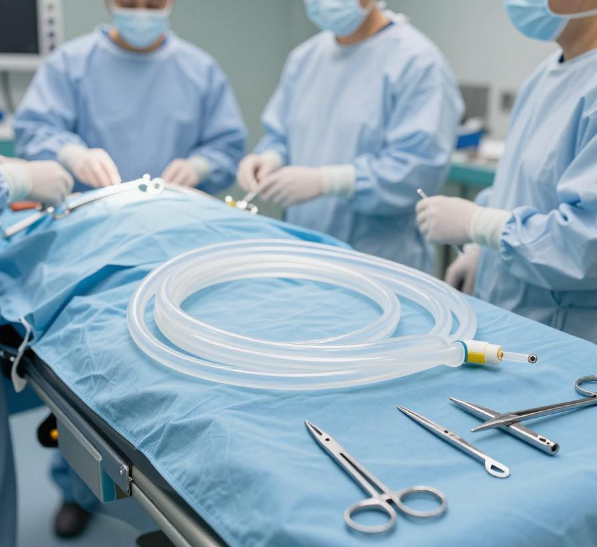
06Aug-2026ท่อ Polyimide ทางการแพทย์คืออะไร? คุณสมบัติ การใช้งาน และการประยุกต์คำตอบด่วน: อะไร ท่อ โพลีอิไมด์ ทางการแพทย์ ใช้สำหรับ ท่อโพลีอิไมด์ทางการแพทย์เป็นท่อพลาสติกประสิทธิภาพสูงที่มีผนังบาง อัดรีดหรือหล่อจากโพลีอิไมด์เรซิน โดยส่วนใหญ่จะใช้เป็นชั้นบุ เปลือก หรือชั้นโครงสร้างภายในสายสวน สายสวนไมโคร สายนำ และอุปกรณ์นำส่งที่มีการบุกรุกน้อยที่สุดอื่นๆ ที่ถูกเลือกเนื่องจากโพลิอิไมด์สามารถขึ้นรูปเป็นผนังที่บางและแม่นยำได้ในบางการออกแบบ 0.001 นิ้ว ในขณะที่ยังคงมีความต้านทานแรงดึงที่มีความหมาย ความเสถียรที่อุณหภูมิสูง และความต้านทานต่อตัวทำละลาย การผสมผสานที่ไนลอนธรรมดาหรือท่อ ไฟเบอร์ มาตรฐานโดยทั่วไปไม่สามารถจับคู่ได้ที่ความหนาของผนังเท่ากัน การใช้งานทั่วไป ได้แก่ สายสวน, เพลาไมโครสายสวน, การเคลือบลวดนำทาง, ปลอกเปลือกแนะนำ, อุปกรณ์เข้าถึงระบบประสาทและหลอดเลือดและหัวใจ, ส่วนประกอบนำส่งยา และช่องเครื่องมือส่องกล้อง ส่วนต่างๆ ด้านล่างนี้ครอบคลุมถึงคุณสมบัติของวัสดุ โครงสร้างภายใน ขนาด โพลีอิไมด์เปรียบเทียบกับ ไฟเบอร์ และ แอบมอง ข้อควรพิจารณาด้านการผลิต และชุดคำถามที่พบบ่อยซึ่งรวบรวมจากวิศวกรรมอุปกรณ์จริงและการสนทนาเกี่ยวกับการจัดหาท่อโพลีอิไมด์ทางการแพทย์ ท่อ โพลีอิไมด์ ทางการแพทย์จริงๆ แล้วคืออะไร โพลีอิไมด์เป็นโพลีเมอร์อะโรมาติกที่สร้างขึ้นจากการเชื่อมโยงอิไมด์ซ้ำๆ ซึ่งเป็นโครงสร้างทางเคมีที่ทำให้วัสดุมีความเสถียรทางความร้อนและเชิงกลที่ผิดปกติสำหรับพลาสติก ในรูปแบบท่อ โดยทั่วไปโพลีอิไมด์เรซินจะถูกประมวลผลผ่านการอัดขึ้นรูปหรือวิธีการหล่อแบบต่อเนื่องบนแมนเดรล ซึ่งเป็นส่วนหนึ่งของสาเหตุที่ท่อโพลีอิไมด์ทางการแพทย์สามารถให้ความหนาของผนังบางกว่าการอัดขึ้นรูปของพลาสติกวิศวกรรมอื่นๆ ส่วนใหญ่ได้อย่างน่าเชื่อถือ ท่อที่ทำเสร็จแล้วมักจะมีลักษณะเป็นสีเหลืองอำพันไปจนถึงสีน้ำตาลทองที่เกี่ยวข้องกับวัสดุฟิล์มโพลีอิไมด์ ซึ่งเป็นลักษณะที่มองเห็นได้ซึ่งทำให้มองเห็นได้ง่ายระหว่างการประกอบ เนื่องจากท่อโพลีอิไมด์ทางการแพทย์ที่มีผนังบางทำให้ส่วนด้านนอกของอุปกรณ์มีขนาดเล็กแต่ยังคงช่วยรองรับกลไกได้จริง จึงมักถูกเลือกใช้เป็นซับฐานภายในเพลาสายสวนแบบหลายชั้น โดยที่ทุกๆ ส่วนของความหนาของผนังที่เพิ่มเข้าไปทุกๆ เศษของมิลลิเมตรจะช่วยลดพื้นที่ว่างสำหรับช่องแสงทำงาน นี่คือเหตุผลหลักที่ทำให้ท่อโพลีอิไมด์สำหรับสายสวนขนาดเล็กและเครื่องมือเกี่ยวกับหลอดเลือดอื่นๆ ที่มีพื้นที่จำกัด กลายเป็นตัวเลือกวัสดุมาตรฐานในหมู่วิศวกรอุปกรณ์ที่ทำงานบนแท่นเข้าถึงที่มีเส้นผ่านศูนย์กลางขนาดเล็ก ท่อโพลีอิไมด์ยังได้รับคุณค่าจากพื้นผิวที่มีการเสียดสีค่อนข้างต่ำและความทนทานต่อเส้นผ่านศูนย์กลางภายในที่สม่ำเสมอ ซึ่งทั้งสองอย่างนี้มีความสำคัญเมื่อใช้ท่อเป็นไลเนอร์สายสวนโพลีอิไมด์ ซึ่งจะมีการสร้างเพลาด้านนอกหรือสายถักเสริมที่แข็งแรงขึ้น ภายในท่อ: โครงสร้างชั้นทั่วไป ท่อโพลีอิไมด์ทางการแพทย์ไม่ค่อยได้ใช้โดยสิ้นเชิงในอุปกรณ์สำเร็จรูป โดยทั่วไปจะเป็นชั้นฐานหรือชั้นซับในโครงสร้างสายสวนหรือปลอกหลายชั้น แผนภาพส่วนตัดด้านล่างแสดงการจัดเรียงทั่วไป แม้ว่าการผสมผสานเลเยอร์ที่แน่นอนจะแตกต่างกันไปตามการออกแบบของอุปกรณ์ 1 2 3 4 5 เคลือบด้านนอก - ชั้นนอกที่มีการหล่อลื่นหรือมีรหัสสีให้เลือกใช้บนท่อฐานเพื่อการจัดการและระบุตัวตน การเสริมแรงถักเปียหรือขด - ตัวเลือกโลหะหรือเปียโพลีเมอร์ที่วางอยู่ระหว่างชั้นต่างๆ เพื่อเพิ่มความต้านทานการหักงอและการส่งผ่านแรงบิด ผนังโพลีอิไมด์ (ท่อฐาน) - ชั้นโพลีอิไมด์แบบอัดรีดหรือแบบหล่อหลักซึ่งมีสมรรถนะทางกลและความร้อนส่วนใหญ่ของท่อ ลูเมน (รูด้านใน) - ช่องเปิดที่วิ่งผ่านท่อ ขนาดตามฟังก์ชั่นของอุปกรณ์เป้าหมาย เช่น ทางเดินของไกด์ไวร์ หรือช่องส่งยา ความยาวท่อเต็ม - ท่อสำเร็จรูปแบบต่อเนื่องที่ผลิตขึ้นก่อนที่จะตัดตามความยาวการทำงานเฉพาะของอุปกรณ์ คุณสมบัติหลักที่สำคัญสำหรับการออกแบบอุปกรณ์ เสถียรภาพทางความร้อน โพลีอิไมด์ ยังคงรักษาคุณสมบัติทางกลในช่วงอุณหภูมิที่กว้างกว่าพลาสติกท่อส่วนใหญ่ที่ใช้ในอุปกรณ์ทางการแพทย์ ซึ่งมีความสำคัญในระหว่างขั้นตอนการเชื่อมแบบรีโฟลว์ รอบการฆ่าเชื้อ และกระบวนการใดๆ ที่ท่อสัมผัสกับความร้อนในขณะที่ส่วนประกอบอื่นๆ ติดอยู่กับมัน ความแข็งแรงทางกลสัมพันธ์กับความหนาของผนัง คุณลักษณะที่กำหนดของท่อโพลีอิไมด์ทางการแพทย์คือความต้านทานแรงดึงที่ยังคงอยู่ได้มากแม้ที่ความหนาของผนังบางมาก นี่คือสิ่งที่ช่วยให้วิศวกรสามารถออกแบบอุปกรณ์เส้นผ่านศูนย์กลางภายนอกขนาดเล็กที่ยังคงต้านทานการฉีกขาดหรือการหลุดล่อนระหว่างการนำทางผ่านกายวิภาคที่คดเคี้ยว ความต้านทานต่อสารเคมีและตัวทำละลาย โพลิอิไมด์ยึดเกาะได้ดีกับตัวทำละลายและสารทำความสะอาดทั่วไปหลายชนิดที่ใช้ในระหว่างการผลิตอุปกรณ์ ซึ่งช่วยลดความเสี่ยงที่ไลเนอร์จะเสื่อมสภาพระหว่างการยึดติดขั้นปลายน้ำ การเคลือบ หรือขั้นตอนการรีโฟลว์ในโครงสร้างสายสวนหลายชั้น ฉนวนอิเล็กทริกและไฟฟ้า โพลีอิไมด์เป็นฉนวนไฟฟ้าที่แข็งแกร่ง ซึ่งเป็นคุณสมบัติที่สืบทอดมาจากการใช้อย่างแพร่หลายในการใช้งานฉนวนวงจรและสายไฟแบบยืดหยุ่นนอกเหนือจากการแพทย์ และเป็นคุณสมบัติที่เกี่ยวข้องกับอุปกรณ์ที่รวมองค์ประกอบการตรวจจับหรือการระเหยไว้ใกล้กับท่อ ลักษณะพื้นผิวสำหรับการประกอบอุปกรณ์ พื้นผิวด้านในที่ค่อนข้างเรียบและมีแรงเสียดทานต่ำและความทนทานต่อเส้นผ่านศูนย์กลางภายในที่แคบทำให้ท่อโพลีอิไมด์ใช้งานได้จริงในฐานะไลเนอร์สายสวนโพลีอิไมด์ที่ลวดนำทางหรือเครื่องมืออื่นๆ จะเลื่อนผ่านซ้ำๆ ในระหว่างหัตถการ ขนาดทั่วไปตามการใช้งานอุปกรณ์ ตารางด้านล่างสรุปช่วงเส้นผ่านศูนย์กลางภายในทั่วไปที่พบในอุปกรณ์ประเภททั่วไปที่ใช้ท่อโพลีอิไมด์ทางการแพทย์สำหรับสายสวนและระบบการนำส่งที่เกี่ยวข้อง ขนาดที่แน่นอนจะถูกกำหนดโดยการออกแบบอุปกรณ์เฉพาะและลักษณะทางกายวิภาคของเป้าหมายเสมอ การอ้างอิงเส้นผ่านศูนย์กลางภายในทั่วไปตามหมวดหมู่อุปกรณ์ มีวัตถุประสงค์เพื่อเป็นแนวทางในการวางแผนแทนที่จะเป็นข้อกำหนดเฉพาะ หมวดหมู่อุปกรณ์ เส้นผ่านศูนย์กลางภายในทั่วไป บทบาทเลเยอร์ทั่วไป สายสวนไมโคร ของระบบประสาท ประมาณ 0.4 มม ซับฐานใต้เปีย สายสวนวินิจฉัย ประมาณ 0.9 มม ซับใน ไกด์ไวร์ ไลเนอร์ ประมาณ 0.3 มม การเคลือบหรือฝาครอบคอยล์ ผู้แนะนำ Sheath Liner ประมาณ 1.2 มม ซับใน under braid ช่องทางการทำงานส่องกล้อง ประมาณ 2.8 มม ซับช่องการทำงาน สายสวนส่งยา ประมาณ 0.6 มม จัดส่งซับลูเมน เส้นผ่านศูนย์กลางภายในทั่วไปตามการใช้งาน Microcatheter 0.4 มม การวินิจฉัยโรค 0.9 มม ไกด์ไวร์ ไลเนอร์ 0.3 มม ชีทผู้แนะนำ 1.2 มม ส่องกล้องชาน. 2.8 มม การจัดส่งยา 0.6 มม ตัวเลือกความหนาและความคลาดเคลื่อนของผนังทั่วไป โดยทั่วไปแล้ว ท่อโพลีอิไมด์ทางการแพทย์ที่มีผนังบางจะผลิตขึ้นโดยมีความหนาของผนังมาตรฐานหลายระดับ ทำให้วิศวกรอุปกรณ์มีจุดเริ่มต้นก่อนที่จะขอขนาดที่กำหนดเอง เนื่องจากความคลาดเคลื่อนของการอัดขึ้นรูปโพลีอิไมด์สามารถยึดแน่นเมื่อเทียบกับความหนาของผนังโดยรวม แม้แต่ตัวเลือกมาตรฐานที่บางที่สุดยังคงใช้งานได้จริงสำหรับการใช้งานซับในรับน้ำหนัก แทนที่จะใช้คลุมเพื่อความสวยงามเพียงอย่างเดียว ตัวเลือกความหนาของผนังทั่วไป (ล้านบาท) 0.5 0.5 1 1 1.5 1.5 2 2 3 3 4 4 5 5 6 6 ความหนาของผนังเป็นพันนิ้ว (ล้านบาท) Polyimide กับ ไฟเบอร์ และ แอบมอง สำหรับท่อทางการแพทย์ ท่อ PTFE ถูกนำมาใช้กันอย่างแพร่หลายโดยที่แรงเสียดทานต่ำมากและความเฉื่อยทางเคมีในวงกว้างเป็นสิ่งสำคัญ แต่โดยทั่วไปแล้วไม่สามารถอัดรีดไปยังผนังที่บางและทนทานแบบเดียวกับที่ท่อโพลีอิไมด์ทางการแพทย์ทำได้ และมีแนวโน้มที่จะคืบคลานภายใต้ภาระมากขึ้น ท่อ แอบมอง มีความทนทานเชิงกลที่แข็งแกร่ง และมักถูกเลือกใช้สำหรับส่วนเพลาที่แข็งกว่า แต่ความสามารถด้านความหนาของผนังที่เส้นผ่านศูนย์กลางเล็กมากมักจะไม่ค่อยดีเท่าโพลีอิไมด์ และเป็นวัสดุที่ยากต่อการแปรรูปเป็นไลเนอร์ที่บางเป็นพิเศษ ในทางปฏิบัติ การออกแบบสายสวนหลายชั้นจำนวนมากใช้โพลิอิไมด์เป็นไลเนอร์ด้านในเพื่อความแข็งแรงของผนังบางและความแม่นยำของมิติ, PTFE เป็นการเคลือบด้านในแบบหล่อลื่นที่ให้ความสำคัญกับประสิทธิภาพการลื่นเป็นอันดับแรก และ PEEK หรือพลาสติกวิศวกรรมที่คล้ายกันในส่วนเพลาใกล้เคียงที่แข็งกว่า ซึ่งความทนทานเชิงกลจำนวนมากมีความสำคัญมากกว่าความบางของผนัง การเปรียบเทียบคุณสมบัติสัมพัทธ์ เสถียรภาพทางความร้อน ความต้านแรงดึง ทนต่อสารเคมี ความสามารถของผนังบาง ความเป็นฉนวน Polyimide PTFE PEEK การเปรียบเทียบคุณสมบัติทั่วไปกับวัสดุท่อทางการแพทย์ทั่วไป ซึ่งมีจุดประสงค์เพื่อใช้อ้างอิงทางการศึกษา คุณสมบัติ Polyimide PTFE PEEK ความสามารถของผนังบาง สูงมาก ปานกลาง ล่าง การหล่อลื่นพื้นผิว ปานกลาง สูงมาก ปานกลาง ความเหนียวทางกลจำนวนมาก ดีกับผนังบาง ล่าง, prone to creep สูง การเก็บรักษาทรัพย์สินที่อุณหภูมิสูง การเชื่อมแบบรีโฟลว์ ขั้นตอนการหดตัวด้วยความร้อน และกระบวนการฆ่าเชื้อ ล้วนทำให้ส่วนประกอบของสายสวนสัมผัสกับอุณหภูมิสูงในระหว่างการผลิตหรือการเตรียมการ แผนภูมิภาพประกอบด้านล่างจะเปรียบเทียบแนวโน้มการคงรักษาคุณสมบัติสัมพัทธ์ของพอลิอิไมด์, PTFE และ PEEK ขณะแปรรูปหรือใช้อุณหภูมิที่เพิ่มขึ้น โดยอิงตามรูปแบบพฤติกรรมทั่วไปของวัสดุที่อ้างอิงโดยทั่วไปในทรัพยากรทางวิศวกรรมโพลีเมอร์ แทนที่จะเป็นการทดสอบในห้องปฏิบัติการเฉพาะ การเก็บรักษาทรัพย์สินสัมพัทธ์ตามอุณหภูมิ (ภาพประกอบ) Polyimide PTFE PEEK 100C 150C 200C 250C 300C ในกรณีที่มีการใช้ท่อโพลีอิไมด์ทางการแพทย์โดยทั่วไป ท่อโพลีอิไมด์สำหรับสายสวนขนาดเล็กเป็นหนึ่งในการใช้งานที่มองเห็นได้มากที่สุด แต่วัสดุจะแสดงในกลุ่มอุปกรณ์ประเภทต่างๆ ที่กว้างขึ้น เมื่อพิจารณาข้อดีของผนังบางและความเสถียรของมิติแล้ว อุปกรณ์เข้าถึงหลอดเลือดสมอง รวมถึงสายสวนขนาดเล็กที่ใช้สำหรับเดินท่อหลอดเลือดสมองขนาดเล็กที่คดเคี้ยว สายสวนหัวใจและหลอดเลือด โดยที่สายสวนโพลีอิไมด์รองรับเพลาด้านนอกแบบถักหรือขด สารเคลือบและไลเนอร์ Guidewire ที่ต้องการการปกปิดภายนอกที่บางและมีมิติที่มั่นคง ปลอกผู้แนะนำและระบบการนำส่งสำหรับขั้นตอนโครงสร้างหัวใจและหลอดเลือดส่วนปลาย ช่องเครื่องมือส่องกล้องและไลเนอร์ช่องการทำงาน ลูเมนของสายสวนนำส่งยาและของเหลวโดยคำนึงถึงความทนทานต่อสารเคมีต่อสารที่นำส่ง สรีรวิทยาไฟฟ้าและเพลาสายสวนวินิจฉัยที่รวมไลเนอร์โพลีอิไมด์เข้ากับส่วนประกอบการตรวจจับหรือการระเหย ข้อควรพิจารณาในการผลิตสำหรับวิศวกรอุปกรณ์ การอัดขึ้นรูปเทียบกับการอัดรีดร่วมหลายชั้น ท่อโพลีอิไมด์ทางการแพทย์ชั้นเดียวทำงานได้ดีเหมือนซับในเดี่ยว แต่การออกแบบจำนวนมากเรียกร้องให้มีโครงสร้างหลายชั้นหรือหลายลูเมนที่สร้างขึ้นในกระบวนการต่อเนื่องเพียงครั้งเดียว ซึ่งจะช่วยลดจำนวนขั้นตอนการประกอบขั้นปลายและข้อต่อในอุปกรณ์ที่เสร็จสมบูรณ์ บูรณาการถักเปียและคอยล์ เมื่อจำเป็นต้องมีการส่งผ่านแรงบิดหรือความต้านทานการหักงอ จะมีการเพิ่มชั้นถักเปียหรือขดบนท่อฐานโพลีอิไมด์ก่อนที่จะใช้แจ็คเก็ตด้านนอก ซึ่งเป็นกระบวนการที่จำเป็นต้องควบคุมความสอดคล้องมิติของไลเนอร์ที่อยู่ด้านล่างอย่างเข้มงวดเพื่อหลีกเลี่ยงการครอบคลุมการเสริมแรงที่ไม่สม่ำเสมอ การเข้ารหัสสีและการระบุ เนื่องจากสามารถแสดงแสงหรือชั้นได้หลายชั้นในอุปกรณ์เครื่องเดียว จึงมักใช้การเคลือบด้านนอกที่มีรหัสสีหรือชั้นเม็ดสีในระหว่างการผลิต เพื่อช่วยให้ผู้ปฏิบัติงานและช่างประกอบสามารถแยกแยะความแตกต่างระหว่างท่อที่มีขนาดใกล้เคียงกัน คำขอขนาดและความอดทนที่กำหนดเอง ตัวเลือกความหนาและเส้นผ่านศูนย์กลางของผนังมาตรฐานครอบคลุมแพลตฟอร์มอุปกรณ์ทั่วไปส่วนใหญ่ แต่การทำงานร่วมกับซัพพลายเออร์ท่อโพลีอิไมด์เกรดทางการแพทย์ที่สามารถรองรับคำขอปรับขนาดแบบกำหนดเองนั้นมีประโยชน์สำหรับอุปกรณ์ที่มีข้อกำหนดลูเมนหรือโปรไฟล์ที่ผิดปกติ ข้อผิดพลาดทั่วไปที่ควรหลีกเลี่ยงเมื่อระบุท่อโพลีอิไมด์ การระบุความหนาของผนังโดยไม่ต้องยืนยันว่าผนังมีปฏิกิริยาอย่างไรกับชั้นเสริมแรงถักเปียหรือขดลวดที่วางแผนไว้ มองข้ามความแตกต่างของการหล่อลื่นพื้นผิวเมื่อเทียบกับ PTFE เมื่อประสิทธิภาพการลื่นของไกด์ไวร์เป็นสิ่งสำคัญอันดับแรก สมมติว่าความหนาของผนังด้านเดียวใช้งานได้กับความยาวอุปกรณ์ทั้งหมด แทนที่จะพิจารณาพื้นที่เรียวหรือโซนการเปลี่ยนผ่าน การเลือกซัพพลายเออร์โดยไม่ยืนยันความสามารถในการพิกัดความเผื่อเส้นผ่านศูนย์กลางด้านในสำหรับการใช้งานลูเมนที่แคบ ข้ามการสนทนาตั้งแต่เนิ่นๆ กับผู้ผลิตท่อโพลีอิไมด์ทางการแพทย์เกี่ยวกับวิธีการยึดเกาะของท่อกับชั้นที่อยู่ติดกันระหว่างการประกอบ เกี่ยวกับวัสดุโพลีเมอร์ Linstant ของ Ningbo นับตั้งแต่ก่อตั้งในปี 2014 Ningbo Linstant Polymer Materials Co., Ltd. มีความเชี่ยวชาญในการอัดขึ้นรูป การเคลือบ และหลังการประมวลผลของท่อโพลีเมอร์ทางการแพทย์ บริษัทให้ความสำคัญกับผู้ผลิตอุปกรณ์ทางการแพทย์โดยมุ่งเน้นไปที่ความแม่นยำ ผลลัพธ์ที่สม่ำเสมอ และความสามารถในการพัฒนากระบวนการที่หลากหลาย Linstant ดำเนินงานในสภาพแวดล้อมเวิร์กช็อปที่มีการควบคุมซึ่งครอบคลุมพื้นที่เกือบ 20,000 ตารางเมตร พร้อมด้วยสายการผลิตการอัดขึ้นรูปที่นำเข้า 15 รายการ ซึ่งครอบคลุมขนาดสกรูต่างๆ ด้วยความสามารถในการอัดรีดร่วมแบบเดี่ยว สอง และสามชั้น สายการอัดรีด PEEK แปดสาย สายการฉีดขึ้นรูปสองสาย อุปกรณ์ทอ การสปริง และการเคลือบเกือบ 100 ชุด และอุปกรณ์การเชื่อมและขึ้นรูปสี่สิบชุด ความครอบคลุมของผลิตภัณฑ์ ได้แก่ ท่อเดี่ยวและหลายชั้นแบบอัดรีด ท่อเดี่ยวและหลายลูเมน ท่อบอลลูนเดี่ยว สอง และสามชั้น ปลอกขดลวดและปลอกเสริมแรงแบบถัก ท่อ PEEK และ PI วัสดุทางวิศวกรรมพิเศษ และโซลูชันการรักษาพื้นผิวที่หลากหลาย ในฐานะผู้ผลิตท่อโพลีอิไมด์ทางการแพทย์และซัพพลายเออร์ท่อโพลีอิไมด์ทางการแพทย์ Linstant ปฏิบัติตามปรัชญาที่ว่าวัสดุเป็นรากฐานและงานฝีมือเป็นกุญแจสำคัญ โดยสร้างแพลตฟอร์มที่เชื่อมโยงระหว่างฟลูออโรพลาสติก โพลีอิไมด์ กระบวนการถักเปีย และงานการรักษาพื้นผิว กลุ่มนี้ดำเนินงานผ่านบริษัทในเครือที่จัดการสาขาเฉพาะทางของตนเองโดยยังคงประสานงานอย่างใกล้ชิด เพื่อพัฒนานวัตกรรมผลิตภัณฑ์และคุณภาพการบริการให้ลึกซึ้งยิ่งขึ้นในฐานะซัพพลายเออร์ท่อโพลีอิไมด์เกรดทางการแพทย์ให้กับพันธมิตรทั่วทั้งอุตสาหกรรมเทคโนโลยีทางการแพทย์ คำถามที่พบบ่อย ไตรมาสที่ 1 ท่อ polyimide ทางการแพทย์คืออะไร? ท่อพลาสติกผนังบางที่อัดรีดหรือหล่อจากโพลีอิไมด์เรซิน ใช้เป็นซับ เปลือก หรือชั้นโครงสร้างภายในสายสวน สายสวนไมโคร และอุปกรณ์ที่คล้ายกันที่มีการบุกรุกน้อยที่สุด ไตรมาสที่ 2 ท่อโพลีอิไมด์ใช้ทำอะไร? โดยทั่วไปจะใช้เป็นไลเนอร์สายสวน, ส่วนประกอบเพลาไมโครสายสวน, การเคลือบไกด์ไวร์, ไลเนอร์ปลอกตัวแนะนำ และไลเนอร์ช่องทำงานในเครื่องมือส่องกล้อง ไตรมาสที่ 3 เหตุใดโพลีอิไมด์จึงถูกนำมาใช้ในอุปกรณ์การแพทย์? โดยผสมผสานความหนาของผนังที่บางมากเข้ากับความต้านทานแรงดึง ความเสถียรทางความร้อน และความทนทานต่อสารเคมี ซึ่งเป็นการผสมผสานที่ยากต่อการจับคู่กับท่อพลาสติกอื่นๆ ที่มีความหนาของผนังเท่ากัน ไตรมาสที่ 4 ข้อดีของท่อโพลีอิไมด์คืออะไร? ข้อได้เปรียบที่สำคัญ ได้แก่ ความแข็งแรงของผนังบาง ความทนทานต่อขนาดที่แคบ ความเสถียรที่อุณหภูมิสูง ทนต่อสารเคมีได้ดี และคุณสมบัติเป็นฉนวนไฟฟ้าที่แข็งแกร่ง คำถามที่ 5 การใช้งานใดบ้างที่ใช้ท่อโพลีอิไมด์ทางการแพทย์ สายสวนหลอดเลือดและหัวใจและหลอดเลือด, สายสวนไมโคร, สายสวนนำ, ปลอกแนะนำ, ช่องส่องกล้อง และสายสวนส่งยา ล้วนแต่ใช้ท่อโพลีอิไมด์ คำถามที่ 6 ท่อโพลีอิไมด์เหมาะสำหรับสายสวนหรือไม่? ใช่ ท่อโพลีอิไมด์สำหรับสายสวนเป็นตัวเลือกทั่วไปในฐานะชั้นบุด้านใน โดยเฉพาะอย่างยิ่งในรูปแบบเพลาสายสวนที่มีเส้นผ่านศูนย์กลางขนาดเล็กและหลายชั้น คำถามที่ 7 ความแตกต่างระหว่างท่อโพลีอิไมด์และท่อ PTFE คืออะไร? โดยทั่วไปโพลีอิไมด์จะยึดผนังที่บางกว่าและมีความต้านทานแรงดึงสูงกว่า ในขณะที่ PTFE ให้แรงเสียดทานที่พื้นผิวต่ำกว่าและความเฉื่อยทางเคมีที่กว้างกว่า อุปกรณ์จำนวนมากจึงใช้ทั้งสองอย่างร่วมกันในชั้นที่ต่างกัน คำถามที่ 8 Polyimide กับ PEEK อะไรดีกว่าสำหรับท่อทางการแพทย์? ไม่มีดีกว่าในระดับสากล โพลีอิไมด์เหมาะกับการใช้งานบุผนังบาง ในขณะที่ PEEK มักถูกเลือกสำหรับส่วนเพลาใกล้เคียงที่มีความแข็งกว่า ซึ่งความทนทานทางกลจำนวนมากมีความสำคัญมากกว่าความบางของผนัง .mpt-quickanswer{margin-bottom:40px;background:#eaf6fd;border-left:6px solid #008cd6;border-radius:4px;padding:22px 26px;}.mpt-quickanswer-h2{font-size:22px;font-weight:bold;text-align:left;line-height:1.45;margin-bottom:15px;color:#00618f;}.mpt-quickanswer-p{font-size:16px;text-align:left;line-height:2;margin-bottom:15px;color:#25333c;}.mpt-overview{margin-bottom:40px;padding:0 2px;}.mpt-overview-h2{font-size:22px;font-weight:bold;text-align:left;line-height:1.45;margin-bottom:15px;color:#004f74;border-bottom:2px solid #008cd6;padding-bottom:8px;display:inline-block;}.mpt-overview-p{font-size:16px;text-align:left;line-height:2;margin-bottom:15px;color:#333333;}.mpt-structure{margin-bottom:40px;background:#f7fafc;border:1px solid #dbe6ec;border-radius:8px;padding:24px 26px;}.mpt-structure-h2{font-size:22px;font-weight:bold;text-align:left;line-height:1.45;margin-bottom:15px;color:#004f74;}.mpt-structure-p{font-size:16px;text-align:left;line-height:2;margin-bottom:15px;color:#333333;}.mpt-structure-ol{margin-bottom:15px;padding-left:4px;}.mpt-structure-li{font-size:16px;text-align:left;line-height:2;margin-bottom:5px;color:#333333;}.mpt-properties{margin-bottom:40px;}.mpt-properties-h2{font-size:22px;font-weight:bold;text-align:left;line-height:1.45;margin-bottom:15px;color:#00618f;}.mpt-properties-h3{font-size:16px;font-weight:bold;text-align:left;line-height:1.6;margin-bottom:15px;color:#008cd6;padding-left:12px;border-left:3px solid #008cd6;}.mpt-properties-p{font-size:16px;text-align:left;line-height:2;margin-bottom:15px;color:#333333;padding-left:15px;}.mpt-sizing{margin-bottom:40px;background:#ffffff;border:1px solid #e3e9ed;border-radius:8px;padding:24px 26px;}.mpt-sizing-h2{font-size:22px;font-weight:bold;text-align:left;line-height:1.45;margin-bottom:15px;color:#004f74;}.mpt-sizing-p{font-size:16px;text-align:left;line-height:2;margin-bottom:15px;color:#333333;}.mpt-sizing-table{background:#ffffff;}.mpt-sizing-th{background:#008cd6;color:#ffffff;}.mpt-sizing-td{color:#333333;}.mpt-sizing-caption{}.mpt-wallthickness{margin-bottom:40px;padding:0 2px;}.mpt-wallthickness-h2{font-size:22px;font-weight:bold;text-align:left;line-height:1.45;margin-bottom:15px;color:#00618f;}.mpt-wallthickness-p{font-size:16px;text-align:left;line-height:2;margin-bottom:15px;color:#333333;}.mpt-comparison{margin-bottom:40px;background:#f4f9fb;border-radius:8px;padding:24px 26px;}.mpt-comparison-h2{font-size:22px;font-weight:bold;text-align:left;line-height:1.45;margin-bottom:15px;color:#004f74;}.mpt-comparison-p{font-size:16px;text-align:left;line-height:2;margin-bottom:15px;color:#333333;}.mpt-comparison-table{background:#ffffff;}.mpt-comparison-th{background:#00618f;color:#ffffff;}.mpt-comparison-td{color:#333333;}.mpt-comparison-caption{}.mpt-thermal{margin-bottom:40px;padding:0 2px;}.mpt-thermal-h2{font-size:22px;font-weight:bold;text-align:left;line-height:1.45;margin-bottom:15px;color:#00618f;}.mpt-thermal-p{font-size:16px;text-align:left;line-height:2;margin-bottom:15px;color:#333333;}.mpt-applications{margin-bottom:40px;background:#ffffff;border:1px solid #e3e9ed;border-radius:8px;padding:24px 26px;}.mpt-applications-h2{font-size:22px;font-weight:bold;text-align:left;line-height:1.45;margin-bottom:15px;color:#004f74;}.mpt-applications-p{font-size:16px;text-align:left;line-height:2;margin-bottom:15px;color:#333333;}.mpt-applications-ul{margin-bottom:15px;padding-left:4px;}.mpt-applications-li{font-size:16px;text-align:left;line-height:2;margin-bottom:5px;color:#333333;}.mpt-manufacturing{margin-bottom:40px;}.mpt-manufacturing-h2{font-size:22px;font-weight:bold;text-align:left;line-height:1.45;margin-bottom:15px;color:#00618f;}.mpt-manufacturing-h3{font-size:16px;font-weight:bold;text-align:left;line-height:1.6;margin-bottom:15px;color:#008cd6;padding-left:12px;border-left:3px solid #008cd6;}.mpt-manufacturing-p{font-size:16px;text-align:left;line-height:2;margin-bottom:15px;color:#333333;padding-left:15px;}.mpt-mistakes{margin-bottom:40px;background:#fff7ea;border-left:6px solid #e0a02c;border-radius:4px;padding:22px 26px;}.mpt-mistakes-h2{font-size:22px;font-weight:bold;text-align:left;line-height:1.45;margin-bottom:15px;color:#8a5a00;}.mpt-mistakes-ol{margin-bottom:15px;padding-left:4px;}.mpt-mistakes-li{font-size:16px;text-align:left;line-height:2;margin-bottom:5px;color:#5c4300;}.mpt-company{margin-bottom:40px;background:linear-gradient(135deg,#f4fbf3,#c8ecc0);border-radius:10px;padding:26px 28px;}.mpt-company-h2{font-size:22px;font-weight:bold;text-align:left;line-height:1.45;margin-bottom:15px;color:#1f5c2e;}.mpt-company-p{font-size:16px;text-align:left;line-height:2;margin-bottom:15px;color:#2d4a2d;}.mpt-faq{margin-bottom:10px;}.mpt-faq-h2{font-size:22px;font-weight:bold;text-align:left;line-height:1.45;margin-bottom:15px;color:#004f74;}.mpt-faq-grid{display:flex;flex-wrap:wrap;column-gap:3%;row-gap:16px;}.mpt-faq-item{width:48.5%;font-size:16px;text-align:left;line-height:2;margin-bottom:15px;background:#eef7fc;border-radius:8px;padding:16px 18px;color:#333333;box-sizing:border-box;}.mpt-faq-item:nth-child(3n 2){background:#eaf3fb;}.mpt-faq-item:nth-child(3n 3){background:#e5f2fa;}.mpt-faq-q{color:#008cd6;font-size:16px;}.mpt-faq-br{}.mpt-chart-svg{width:440px;display:block;margin:0 auto 15px auto;}.mpt-svg-title{font-size:13px;font-weight:bold;fill:#004f74;}.mpt-svg-label{font-size:12px;fill:#4a5760;}.mpt-svg-value{font-size:12px;fill:#008cd6;font-weight:bold;}.mpt-svg-axis{font-size:11px;fill:#4a5760;}.mpt-svg-legend{font-size:11px;fill:#4a5760;}.mpt-svg-num{font-size:12px;fill:#ffffff;font-weight:bold;}@media (width
-
30Jul-2026ทุกสิ่งที่คุณต้องการรู้เกี่ยวกับท่อหดด้วยความร้อนทางการแพทย์คำตอบด่วน: อะไร ท่อหดความร้อนทางการแพทย์ ไม่ ท่อหดด้วยความร้อนทางการแพทย์เป็นท่อโพลีเมอร์ที่หดตัวแน่นรอบส่วนประกอบเมื่อสัมผัสกับแหล่งความร้อนที่มีการควบคุม ซึ่งส่วนใหญ่ใช้ในการยึดเหนี่ยว ป้องกัน หรือเสริมกำลังเพลาสายสวน ข้อต่อลวดนำ และส่วนสายสวนบอลลูนระหว่างการประกอบอุปกรณ์ ท่อถูกอัดขึ้นรูปในสถานะขยาย จากนั้นจึงผ่านกรรมวิธีทางความร้อนเพื่อล็อคเส้นผ่านศูนย์กลางที่ใหญ่กว่านั้น ดังนั้นจึงคงรูปทรงที่ขยายออกจนกว่าจะได้รับความร้อนใหม่ในระหว่างขั้นตอนการประกอบ ซึ่งถึงจุดนี้มันจะหดตัวลงและแนบสนิทกับชิ้นส่วนด้านล่าง คู่มือนี้ครอบคลุมถึงวิธีการ ท่อหดความร้อนทางการแพทย์ ทำงานอย่างไร เปรียบเทียบวัสดุการหดตัวด้วยความร้อนของ กพ และ ไฟเบอร์ และอัตราส่วนการหดตัวและวิศวกรอุปกรณ์ข้อมูลมิติใดที่ควรอ้างอิงเมื่อระบุท่อหดสำหรับกระบวนการประกอบ ท่อหดความร้อนทางการแพทย์คืออะไร? ท่อหดด้วยความร้อนผลิตขึ้นโดยกระบวนการอัดขึ้นรูปและการขยายตัว ท่อจะถูกอัดรีดครั้งแรกที่เส้นผ่านศูนย์กลางเป้าหมายสุดท้าย จากนั้นให้ความร้อนและขยายทางกลไกให้เป็นเส้นผ่านศูนย์กลางที่ใหญ่ขึ้น และสุดท้ายจะเย็นลงในขณะที่คงอยู่ในสถานะขยายนั้น โครงสร้างโมเลกุลของโพลีเมอร์จะ "แข็งตัว" ในรูปแบบที่ขยายออกไป ทำให้เกิดความตึงเครียดที่สะสมไว้ ซึ่งปล่อยออกมาเป็นการหดตัวเมื่อท่อถูกให้ความร้อนอีกครั้งระหว่างการประกอบอุปกรณ์ เหตุใดผู้ประกอบอุปกรณ์จึงใช้ท่อหดแบบใช้ความร้อน สร้างความผูกพันที่แน่นหนาและสอดคล้องกันกับรูปร่างที่ผิดปกติ เช่น ข้อต่อสายสวนแบบเรียว ให้การป้องกันชั่วคราวหรือในขั้นตอนกระบวนการระหว่างขั้นตอนการติดพันธะแบบรีโฟลว์ เสริมแถบเครื่องหมาย ปลาย หรือโซนการเปลี่ยนแปลงโดยไม่ต้องเพิ่มความหนาจำนวนมาก รองรับผลลัพธ์ที่สม่ำเสมอและทำซ้ำได้ทั่วทั้งสายการประกอบอุปกรณ์ปริมาณมาก เนื่องจากกระบวนการหดตัวจะใช้แรงดันในแนวรัศมีรอบๆ ส่วนประกอบด้านล่าง ท่อหดด้วยความร้อนจึงมีประโยชน์อย่างยิ่งสำหรับการเปลี่ยนผ่านระหว่างเส้นผ่านศูนย์กลางท่อที่แตกต่างกันสองแบบให้ราบรื่น ซึ่งเป็นข้อกำหนดทั่วไปในการก่อสร้างเพลาสายสวนแบบหลาย Durometer ท่อหดแบบใช้ความร้อนทำงานอย่างไรในการประกอบอุปกรณ์ ในระหว่างการประกอบ โดยทั่วไปแล้วท่อหดด้วยความร้อนจะถูกเลื่อนไปเหนือส่วนเป้าหมายของเพลาสายสวน จากนั้นจึงสัมผัสกับแหล่งความร้อนที่มีการควบคุม ซึ่งมักจะเป็นปืนความร้อน เตาอบเคลือบ หรือกระบวนการรีโฟลว์ เมื่ออุณหภูมิสูงขึ้น ท่อจะหดตัวเข้าหาเส้นผ่านศูนย์กลางเดิมที่อัดออกมา โดยใช้แรงดันสม่ำเสมอซึ่งสามารถเชื่อมชั้นของท่อที่อยู่ติดกันเข้าด้วยกันหรือเสริมความแข็งแรงให้กับข้อต่อทางกลได้ ท่อหดด้วยความร้อนบางท่อได้รับการออกแบบให้เป็นส่วนประกอบถาวรของอุปกรณ์ที่เสร็จแล้ว ในขณะที่สูตรอื่นๆ ซึ่งบางครั้งเรียกว่าท่อสำหรับกระบวนการ จะถูกถอดออกหลังจากขั้นตอนการรีโฟลว์เสร็จสิ้น การลดขนาดเส้นผ่านศูนย์กลางระหว่างการหดตัว (ภาพประกอบ) 100% 50% 0% เริ่ม 10 วินาที ยุค 20 30s 40s 50s เส้นโค้งภาพประกอบนี้แสดงรูปแบบทั่วไปของการลดขนาดเส้นผ่านศูนย์กลางเมื่อใช้ความร้อน: อาการหน่วงเริ่มต้นเมื่อพื้นผิวของท่อถึงอุณหภูมิการหดตัว ตามด้วยระยะการหดตัวอย่างรวดเร็ว และในที่สุดจะเกิดการปรับระดับเมื่อท่อถึงเส้นผ่านศูนย์กลางสุดท้ายที่ได้รับคืน การลดขนาดเส้นผ่านศูนย์กลางส่วนใหญ่เกิดขึ้นภายในกรอบเวลาที่ค่อนข้างสั้น เมื่อถึงเกณฑ์อุณหภูมิการหดตัว ซึ่งเป็นสาเหตุที่ควบคุมได้ แม้แต่การใช้ความร้อนก็มีความสำคัญมากกว่าเวลาการประมวลผลทั้งหมดเพื่อให้ได้ผลลัพธ์ที่สม่ำเสมอทั่วทั้งชุดการผลิต กพ กับ ไฟเบอร์ กับ พีวีดีเอฟ การหดตัวด้วยความร้อน: การเปรียบเทียบวัสดุ ท่อหดด้วยความร้อนทางการแพทย์มีจำหน่ายในวัสดุฟลูออโรโพลีเมอร์หลายชนิด โดยแต่ละชนิดมีอุณหภูมิการหดตัว ความใส และลักษณะความยืดหยุ่นหลังการหดตัวที่แตกต่างกัน แผนภูมิเรดาร์ด้านล่างเปรียบเทียบท่อหดด้วยความร้อน กพ, ไฟเบอร์ และ พีวีดีเอฟ ตามเกณฑ์ประสิทธิภาพสี่เกณฑ์ FEP กับ PTFE กับ พีวีดีเอฟ การหดตัวด้วยความร้อน ความชัดเจน หดความอดทนอุณหภูมิ ความยืดหยุ่นหลังการหดตัว ทนต่อสารเคมี อัตราส่วนการหดตัว FEP PTFE PVDF ท่อหดด้วยความร้อน FEP ได้คะแนนสูงสุดในเรื่องความชัดเจน ซึ่งมีประโยชน์เมื่อต้องมีการตรวจสอบด้วยสายตาของพันธะหรือแถบมาร์กเกอร์ในระหว่างหรือหลังการประกอบ และยังหดตัวที่อุณหภูมิต่ำกว่า PTFE ค่อนข้างมาก ทำให้การควบคุมกระบวนการทำได้ง่ายขึ้น ท่อหดด้วยความร้อน PTFE มีความทนทานต่อสารเคมีสูงสุดและทนทานต่ออุณหภูมิการหดตัวที่กว้างที่สุด ทำให้เหมาะสำหรับสภาพแวดล้อมกระบวนการที่มีความต้องการมากขึ้น PVDF อยู่ระหว่างทั้งสอง โดยให้ความสมดุลของอัตราส่วนการหดตัวและความต้านทานต่อสารเคมี และบางครั้งจะถูกเลือกเมื่อโครงการต้องการความยืดหยุ่นหลังการหดตัว ซึ่ง PTFE บริสุทธิ์ไม่สามารถให้ได้ อัตราส่วนการหดตัวโดยทั่วไปตามวัสดุ อัตราส่วนการหดตัวจะอธิบายจำนวนเส้นผ่านศูนย์กลางของท่อที่ลดลงจากสถานะขยายกลับเป็นเส้นผ่านศูนย์กลางเดิมที่อัดออกมา โดยทั่วไปจะแสดงเป็นอัตราส่วน เช่น 1.3:1 หรือ 2:1 ค่านี้จะกำหนดว่ามีพื้นที่ว่างขนาดใหญ่เท่าใดเมื่อวางท่อไว้เหนือส่วนประกอบก่อนจะหดตัว อัตราส่วนการหดตัวโดยทั่วไปตามวัสดุ 2.0:1 PTFE 1.6:1 PVDF 1.3:1 FEP ท่อหดด้วยความร้อน PTFE โดยทั่วไปมีอัตราส่วนการหดตัวสูงที่สุดในบรรดาวัสดุหดตัวทางการแพทย์ทั่วไป ทำให้สามารถสวมทับส่วนที่ไม่ปกติหรือส่วนข้อต่อที่เทอะทะได้ก่อนที่จะหดตัว อัตราส่วนการหดตัวที่สูงขึ้นช่วยให้วิศวกรประกอบมีระยะห่างระหว่างการวางตำแหน่งมากขึ้น ซึ่งสามารถลดความซับซ้อนของขั้นตอนการประกอบด้วยตนเอง แม้ว่าโดยปกติแล้วจะต้องใช้อุณหภูมิการหดตัวที่สูงขึ้นตามลำดับก็ตาม โดยทั่วไปอัตราส่วนการหดตัวที่ต่ำกว่าของ FEP จะถูกจับคู่กับการควบคุมขนาดที่เข้มงวดยิ่งขึ้นและอุณหภูมิการหดตัวที่ต่ำกว่า ซึ่งกระบวนการบางอย่างต้องการส่วนประกอบที่ไวต่อความร้อนในบริเวณใกล้เคียง ลดขนาดอุณหภูมิและการอ้างอิงการประมวลผล การเลือกอุณหภูมิการหดตัวที่ถูกต้องเป็นสิ่งสำคัญ เนื่องจากความร้อนต่ำเกินไปอาจทำให้ท่อได้รับการกู้คืนไม่สมบูรณ์ ในขณะที่ความร้อนสูงเกินไปอาจเสี่ยงต่อการสร้างความเสียหายให้กับส่วนประกอบที่ไวต่อความร้อนในบริเวณใกล้เคียง ตารางด้านล่างแสดงค่าอ้างอิงการประมวลผลทั่วไปตามวัสดุ ข้อมูลอ้างอิงการประมวลผลทั่วไปสำหรับท่อหดด้วยความร้อนทางการแพทย์ตามประเภทวัสดุ วัสดุ อุณหภูมิการหดตัวโดยทั่วไป อัตราส่วนการหดตัวโดยทั่วไป การใช้งานทั่วไป FEP ประมาณ 170°C - 200°C 1.3:1 การเสริมแถบเครื่องหมายและการเสริมปลาย PTFE ประมาณ 300°C - 330°C 2.0:1 การเชื่อมแบบรีโฟลว์ในขั้นตอนกระบวนการ PVDF ประมาณ 160°C - 180°C 1.6:1 การเปลี่ยนเพลาสายสวนบอลลูน เนื่องจากโดยทั่วไปแล้วการหดตัวด้วยความร้อนของ PTFE ต้องใช้อุณหภูมิในการประมวลผลสูงสุดในบรรดาวัสดุหดตัวทางการแพทย์ทั่วไป จึงมักถูกใช้เป็นท่อกระบวนการชั่วคราวในระหว่างขั้นตอนการยึดติดแบบรีโฟลว์ แทนที่จะเป็นส่วนประกอบถาวรที่เหลืออยู่บนอุปกรณ์ที่เสร็จสมบูรณ์ ท่อหดด้วยความร้อนทางการแพทย์สามารถบางได้แค่ไหน? ความหนาของผนังสำหรับท่อหดด้วยความร้อนขึ้นอยู่กับวัสดุและการใช้งานเป้าหมาย แต่สูตรเกรดทางการแพทย์หลายสูตรสามารถผลิตได้ด้วยผนังที่กลับคืนสภาพค่อนข้างบางเพื่อลดโปรไฟล์ที่เพิ่มบนอุปกรณ์ที่เสร็จสมบูรณ์ ท่อหดด้วยความร้อนบางเฉียบมีความเกี่ยวข้องเป็นพิเศษกับการใช้งานสายสวนขนาดเล็กและลวดนำทาง ซึ่งเส้นผ่านศูนย์กลางภายนอกที่เพิ่มขึ้นแม้เพียงเล็กน้อยก็อาจส่งผลต่อความสามารถในการติดตามอุปกรณ์ โดยทั่วไปแล้วจะใช้ท่อหดความร้อนติดผนังมาตรฐานโดยที่การเสริมแรงทางกลเป็นเป้าหมายหลัก ท่อหดด้วยความร้อนแบบผนังบางปรับสมดุลการเสริมแรงด้วยการเพิ่มโปรไฟล์ที่ต่ำกว่า ท่อหดด้วยความร้อนผนังบางพิเศษโดยทั่วไปจะสงวนไว้สำหรับส่วนปลายของอุปกรณ์ที่ไวต่อโปรไฟล์มากที่สุด การเลือกความหนาของผนังที่เหมาะสมเกี่ยวข้องกับการปรับสมดุลระหว่างความต้องการประสิทธิภาพการหดตัวที่เชื่อถือได้กับข้อจำกัดของโปรไฟล์ของอุปกรณ์ที่เสร็จสมบูรณ์ ซึ่งเป็นเหตุผลว่าทำไมโดยทั่วไปจึงแนะนำให้ทำการทดสอบตัวอย่างตามรูปทรงของอุปกรณ์จริงก่อนที่จะสรุปข้อกำหนดขั้นสุดท้าย ในกรณีที่ใช้ท่อหดแบบใช้ความร้อนในอุปกรณ์สายสวน ท่อหดด้วยความร้อนรองรับการผลิตสายสวนและไกด์ไวร์หลายขั้นตอน ตั้งแต่การเสริมแรงถาวรไปจนถึงการช่วยเหลือกระบวนการชั่วคราวในระหว่างขั้นตอนการติด การเปลี่ยนเพลาสายสวนบอลลูน ทำให้ข้อต่อระหว่างท่อบอลลูนและเพลาเรียบขึ้น การเสริมแรงแถบมาร์กเกอร์และส่วนประกอบเรดิโอแพค การป้องกันข้อต่อ Guidewire ที่บริเวณการเปลี่ยนผ่านของสายไฟส่วนปลายและแกน ท่อกระบวนการชั่วคราวที่ใช้ระหว่างการเชื่อมแบบรีโฟลว์ จากนั้นจึงถอดออก การมัดรวมสายสวนหลายลูเมนในระหว่างขั้นตอนการผลิตบางอย่าง ท่อหดแบบใช้ความร้อนมักใช้สำหรับสายสวนบอลลูน โดยเฉพาะอย่างยิ่งที่โซนเปลี่ยนผ่านที่วัสดุบอลลูนมาบรรจบกับท่อเพลา เนื่องจากแรงดันในแนวรัศมีที่สม่ำเสมอที่ใช้ระหว่างการหดตัวจะช่วยสร้างเส้นพันธะที่ราบรื่นและสม่ำเสมอ โดยไม่ทำให้เกิดช่องว่างอากาศหรือการกระจายตัวของกาวที่ไม่สม่ำเสมอ ตัวเลือกท่อหดแบบใช้ความร้อนแบบกำหนดเอง โครงการท่อหดด้วยความร้อนทางการแพทย์แบบกำหนดเองโดยทั่วไปจะเริ่มต้นด้วยเส้นผ่านศูนย์กลางภายในที่ได้รับการกู้คืนเป้าหมายและหน้าต่างอุณหภูมิการหดตัว โดยเลือกวัสดุและความหนาของผนัง Common customization requests include the following. นำการปรับแต่งเส้นผ่านศูนย์กลางภายในกลับคืนมาเพื่อให้ตรงกับขนาดส่วนประกอบพื้นฐานเฉพาะ Wall thickness selection between standard, thin, and ultra-thin options Material selection between FEP, PTFE, and PVDF based on shrink temperature and chemical resistance needs การปรับแต่งความยาวและเส้นผ่านศูนย์กลางที่ขยายเพื่อให้ตรงกับข้อกำหนดตำแหน่งเฉพาะของอุปกรณ์ การทำงานอย่างใกล้ชิดกับซัพพลายเออร์ในระหว่างการทำซ้ำตัวอย่างในช่วงแรกช่วยยืนยันได้ว่าข้อกำหนดเฉพาะของท่อหดที่กำหนดทำงานอย่างสม่ำเสมอตลอดทั้งแหล่งความร้อนจริงและรอบเวลาที่ใช้ในกระบวนการประกอบเฉพาะ เนื่องจากพฤติกรรมการหดตัวในโลกแห่งความเป็นจริงอาจแตกต่างกันเล็กน้อยจากค่าอ้างอิงที่เผยแพร่ ขึ้นอยู่กับการตั้งค่าอุปกรณ์ ร่วมงานกับผู้ผลิตท่อหดแบบใช้ความร้อน ผู้ผลิตอุปกรณ์ที่จัดหาท่อหดด้วยความร้อนทางการแพทย์ควรยืนยันความสอดคล้องของกระบวนการของซัพพลายเออร์และประสบการณ์การใช้งานเฉพาะด้าน เนื่องจากประสิทธิภาพการหดตัวขึ้นอยู่กับพารามิเตอร์กระบวนการอัดขึ้นรูปและการขยายที่มีการควบคุมเป็นอย่างมาก Confirmation of ISO certification and a documented quality management system for medical tubing production In-house extrusion and expansion process capability rather than outsourced sub-steps Experience producing thin-wall and ultra-thin-wall heat shrink tubing for catheter component applications Support for OEM development workflows, including sample iteration before full production runs Ningbo Linstant Polymer Materials Co., Ltd. ดำเนินการมาตั้งแต่ปี 2014 ในฐานะผู้ผลิตและจำหน่ายท่อทางการแพทย์ OEM และ ODM มืออาชีพ ซึ่งขณะนี้จ้างงานมากกว่า 400 employees across extrusion processing, coating, and post-processing technologies for medical polymer tubing. ความมุ่งมั่นของบริษัทที่มีต่อผู้ผลิตอุปกรณ์ทางการแพทย์สะท้อนให้เห็นในความแม่นยำ ความปลอดภัย ความสามารถในการประมวลผลที่หลากหลาย และคุณภาพของผลิตภัณฑ์ที่สม่ำเสมอ โดยสนับสนุนซัพพลายเออร์ส่วนประกอบสายสวนและผู้ผลิตอุปกรณ์ด้วยท่อหดด้วยความร้อนที่พัฒนาขึ้นผ่านการวิจัยและพัฒนาด้วยตนเองอย่างต่อเนื่อง คำถามที่พบบ่อย Q1: ท่อหดความร้อนทางการแพทย์คืออะไร? ท่อหดด้วยความร้อนทางการแพทย์เป็นท่อโพลีเมอร์ที่ถูกอัดขึ้นรูปในสถานะขยายซึ่งจะหดตัวแน่นรอบส่วนประกอบเมื่อถูกความร้อนระหว่างการประกอบอุปกรณ์ Q2: What is heat shrink tubing used for in medical devices? ใช้ในการยึดเหนี่ยว เสริมความแข็งแรง และปกป้องการเปลี่ยนผ่านของเพลาสายสวน แถบมาร์กเกอร์ ข้อต่อไกด์ไวร์ และส่วนสายสวนบอลลูนในระหว่างการประกอบ Q3: How does heat shrink tubing work? ท่อจะถูกอัด ขยาย และระบายความร้อนในสถานะขยาย จากนั้นหดตัวกลับไปยังเส้นผ่านศูนย์กลางเดิมเมื่อให้ความร้อนอีกครั้งระหว่างการประกอบ Q4: What is the shrink ratio of medical heat shrink tubing? Shrink ratios commonly range from around 1.3:1 for FEP up to 2.0:1 for PTFE, depending on the material and intended application. Q5: How thin can heat shrink tubing be? สูตรเกรดทางการแพทย์หลายสูตรมีให้เลือกทั้งแบบผนังบางและบางพิเศษ เพื่อลดโปรไฟล์เพิ่มเติมในการใช้งานไมโครสายสวนและลวดนำ Q6: What temperature is required for heat shrinking? อุณหภูมิการหดตัวโดยทั่วไปอยู่ในช่วงประมาณ 160°C สำหรับ PVDF และ FEP ไปจนถึง 300°C หรือสูงกว่าสำหรับ PTFE ขึ้นอยู่กับสูตรวัสดุเฉพาะ Q7: Can heat shrink tubing be used for balloon catheters? Yes, heat shrink tubing is commonly used at balloon-to-shaft transition zones to create a smooth, consistent bond during assembly. Q8: Is heat shrink tubing used in guidewires? Yes, it is often applied at guidewire tip and core wire transition zones to provide joint protection and a smoother mechanical transition.
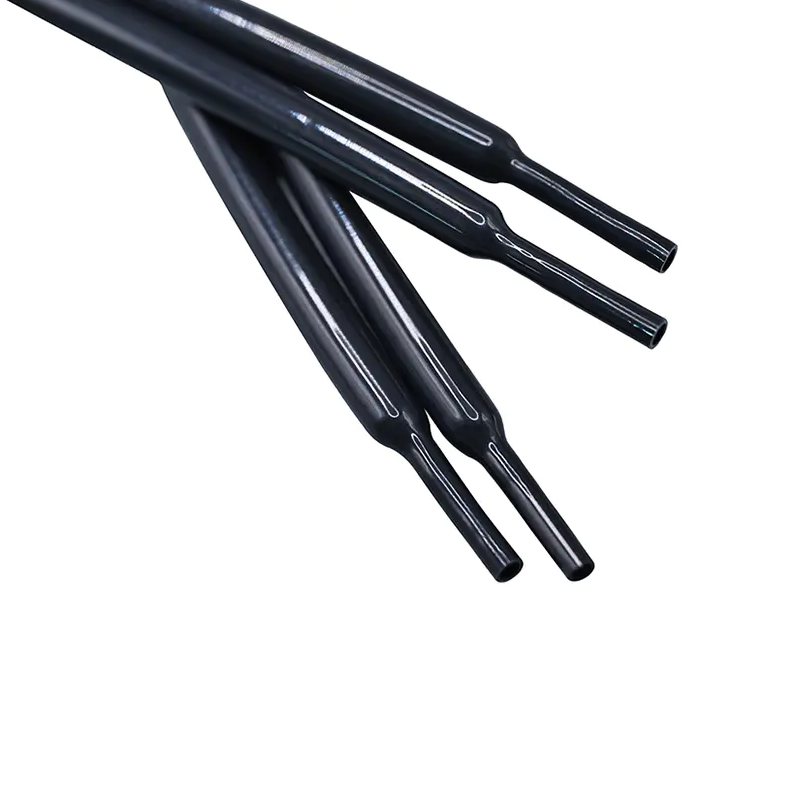
 ติดต่อเรา
หากคุณสนใจในผลิตภัณฑ์ของเราโปรดติดต่อเรา
- รายละเอียดการติดต่อ
- Address : 5 Oak Park Dr, เบดฟอร์ด, แมสซาชูเซตส์ 01730
- Tel: +86-13061789249
- Email: [email protected]
- ข้อมูลในเว็บไซต์นี้มีไว้สำหรับประเทศและเขตอำนาจศาลนอกเขตสาธารณรัฐประชาชนจีนเท่านั้น
- สินค้า
- ท่ออัดทางการแพทย์
- ท่อเสริมทางการแพทย์
- โพลีอิไมด์
- แอบมอง
- ท่อบอลลูน
- ไมโครสายสวน
- กระบวนการรอง
- ท่อหดแบบใช้ความร้อน
- ท่อทางการแพทย์ฟลูออโรโพลีเมอร์
- กล้องเอนโดสโคป
- ฝักเข้าถึงแรงดันลบ
- สายสวนนำทาง
- สายสวนหลอดเลือด
- ท่อถักแรงดันสูง
- กระบวนการบำบัดพื้นผิวท่อทางการแพทย์
- ศูนย์ข่าว
- ข่าวอุตสาหกรรม
- ข่าวบริษัท
- เทอร์มินัลมือถือ

