

PEEK Tubing Is Gaining Ground in Medtech — Here's Why
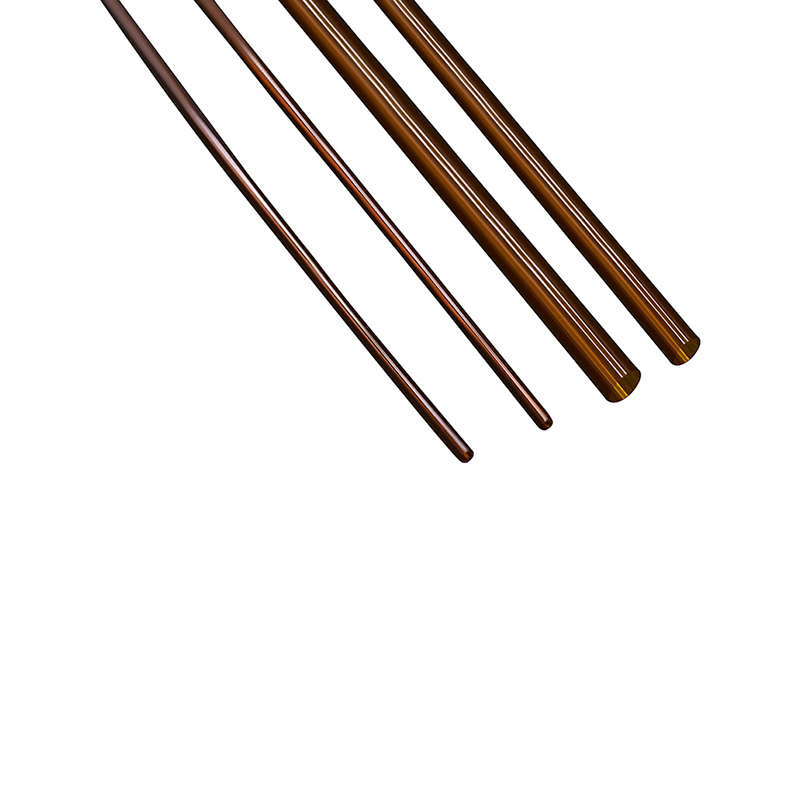
PEEK (Polyether ether ketone) tubing has become one of the most sought-after materials in medical device manufacturing. Its unique combination of high-temperature resistance (above 250°C), exceptional mechanical strength, biocompatibility, and chemical inertness makes it virtually irreplaceable in demanding clinical environments. Unlike conventional polymer tubing, PEEK delivers performance that bridges the gap between metals and plastics — a critical advantage as medtech devices grow smaller, smarter, and more complex.
From cardiovascular catheters to spinal surgical tools, PEEK tubing is not just a material choice — it's a design enabler. This article breaks down exactly why the medtech industry is leaning into PEEK, what applications it dominates, and what to look for when sourcing it.
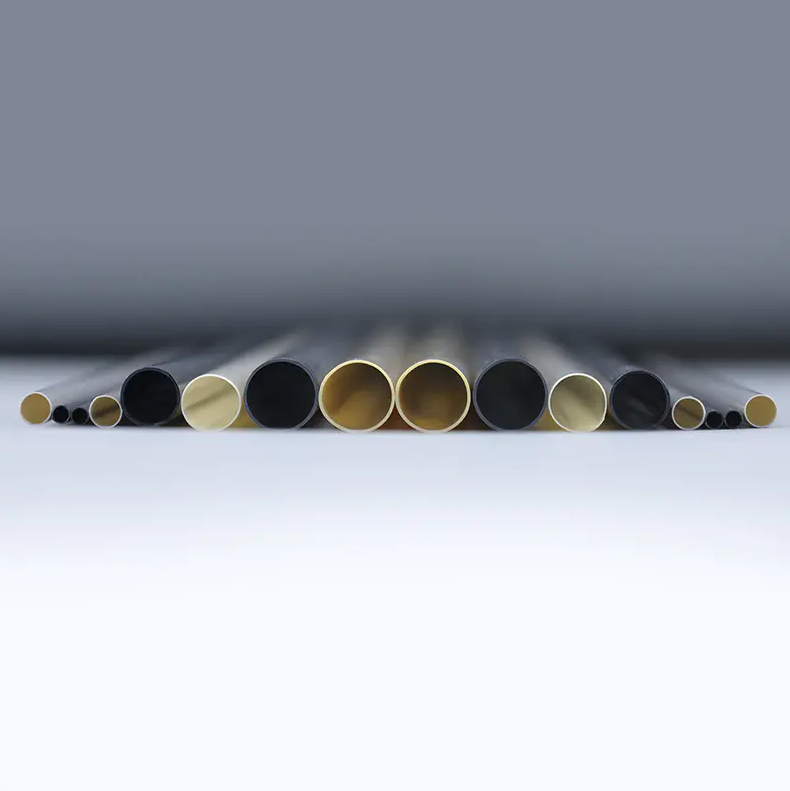
What Makes PEEK Tubing Stand Out Technically
PEEK is a semi-crystalline thermoplastic with a performance profile that few polymers can match. Its adoption in medtech is grounded in measurable material properties:
| Property | PEEK Performance | Typical Polymer Benchmark |
|---|---|---|
| Continuous Use Temperature | 250°C+ | 80–150°C (PTFE, Nylon) |
| Tensile Strength | ~100 MPa | 20–60 MPa |
| Sterilization Compatibility | Steam, EO, Gamma, E-beam | Limited (varies by polymer) |
| Chemical Resistance | Excellent (acids, solvents, bases) | Moderate |
| Dimensional Stability | High (low thermal expansion) | Moderate to low |
High crystallinity in PEEK directly translates to better thermal stability and improved mechanical load-bearing capacity — both essential in reusable surgical instruments that undergo repeated sterilization cycles. The ability to withstand autoclave conditions repeatedly without dimensional distortion is a decisive factor for many OEMs.
Key Medical Applications Driving PEEK Tubing Demand
PEEK tubing is not a generalist solution — it thrives in specific high-stakes contexts where conventional materials fall short.
Cardiovascular Intervention Catheters
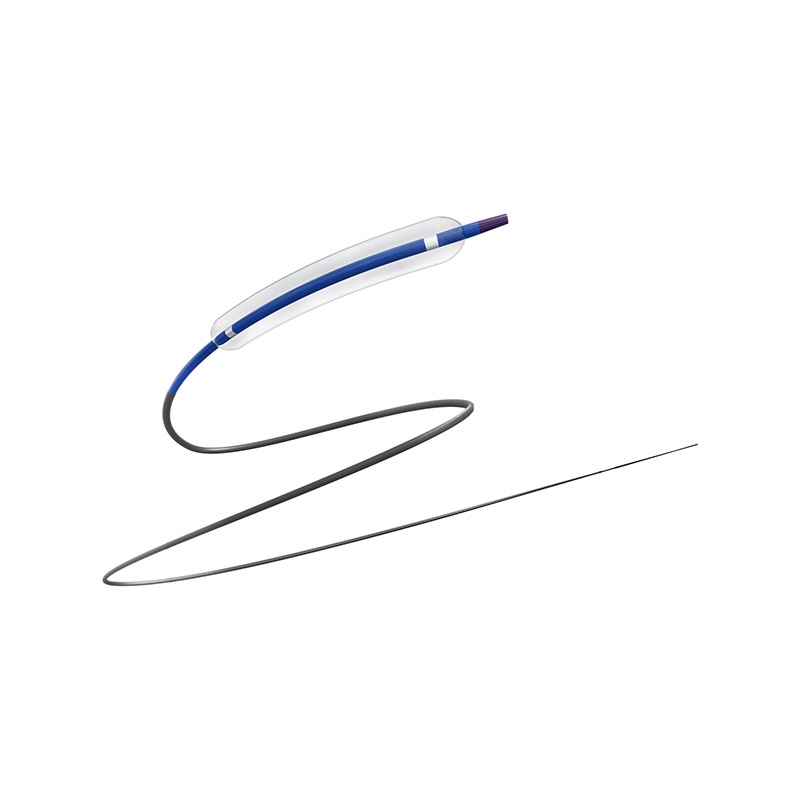
In interventional cardiology, catheter shafts must combine pushability, torque transmission, and flexibility — often in sub-millimeter wall thicknesses. PEEK tubing enables high precision in tight inner diameter tolerances, which is essential for guidewire compatibility and contrast media delivery. It also resists kinking under the navigational forces exerted during complex vascular procedures.
Endoscopes and Minimally Invasive Devices
Endoscopic instruments require tubing that maintains dimensional accuracy under repeated steam sterilization. PEEK's low moisture absorption (less than 0.5%) prevents the swelling and degradation that undermines PTFE or PA tubing over time. This makes it a preferred choice for working channels, insufflation ports, and instrument shafts in rigid and flexible endoscopes.
Spinal and Orthopedic Surgery Tools
PEEK's radiolucency — it does not interfere with X-ray or MRI imaging — makes it uniquely suited for orthopedic and spinal surgical instruments. Surgeons can visualize the operative field without artifact interference, a critical safety advantage. PEEK tubing is used in guide cannulas, dilators, and irrigation/aspiration systems in these procedures.
Urology Catheters
Urological catheters must navigate complex anatomy while resisting biological fouling. PEEK's surface smoothness and chemical resistance reduce encrustation and bacterial adhesion compared to softer polymer alternatives. In lithotripsy and ureteroscopy tools specifically, the stiffness-to-wall-thickness ratio of PEEK tubing allows slim profiles without sacrificing structural integrity.
Electrosurgical Forceps and Energy Devices
PEEK is an excellent electrical insulator with a dielectric strength exceeding 19 kV/mm. In electrosurgical instruments such as bipolar forceps or RF ablation catheters, PEEK tubing serves as the insulating sheath around active electrodes, protecting surrounding tissue and preventing unintended energy discharge.
Beyond Medtech: PEEK Tubing in Adjacent Industries
While medtech is the headline market, PEEK tubing's thermal and mechanical properties create strong demand in two other sectors:
- E-cigarette and vaping devices: PEEK tubing is used as an insulating heat-resistant tube within heating element assemblies, where it must maintain dimensional stability under continuous thermal cycling above 200°C. Its low toxicity and chemical inertness are critical safety advantages in consumer-facing applications.
- Military and aerospace: PEEK tubing is deployed in hydraulic lines, fuel system components, and avionics wiring conduits where weight reduction, flame resistance (PEEK passes UL94 V-0 flammability testing), and vibration tolerance are non-negotiable. Its performance-to-weight ratio rivals metal alternatives in many aerospace subsystems.
Sourcing Considerations: What to Look for in a PEEK Tubing Supplier
Not all PEEK tubing is manufactured equally. The extrusion process and material formulation significantly impact dimensional tolerances, surface finish, and mechanical consistency. When evaluating suppliers, medtech engineers should assess:
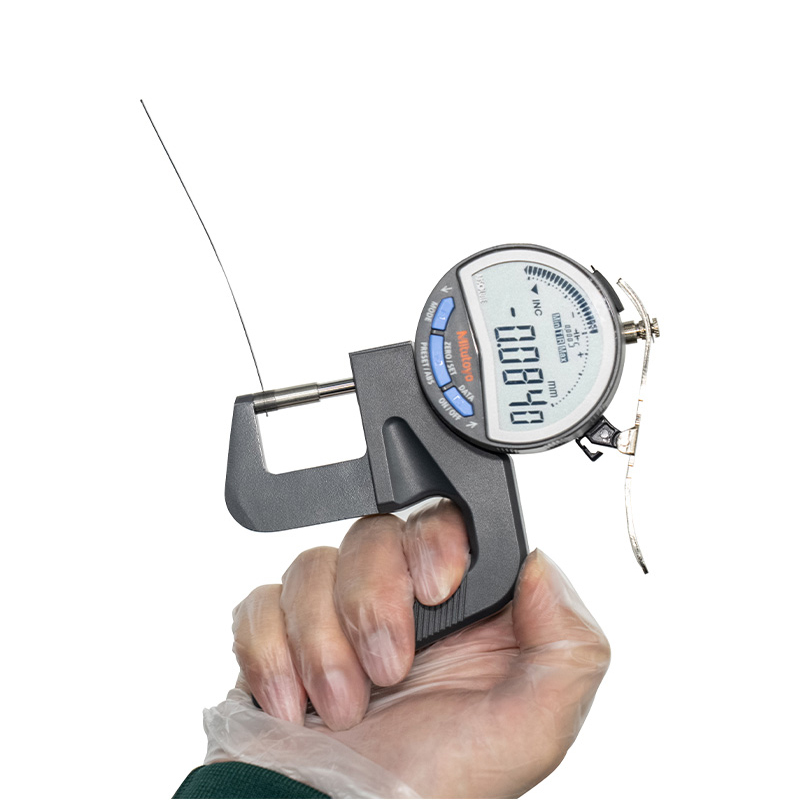
- Dimensional precision: Wall thickness tolerances of ±0.01 mm or tighter are expected for catheter-grade applications. Verify via traceable quality documentation.
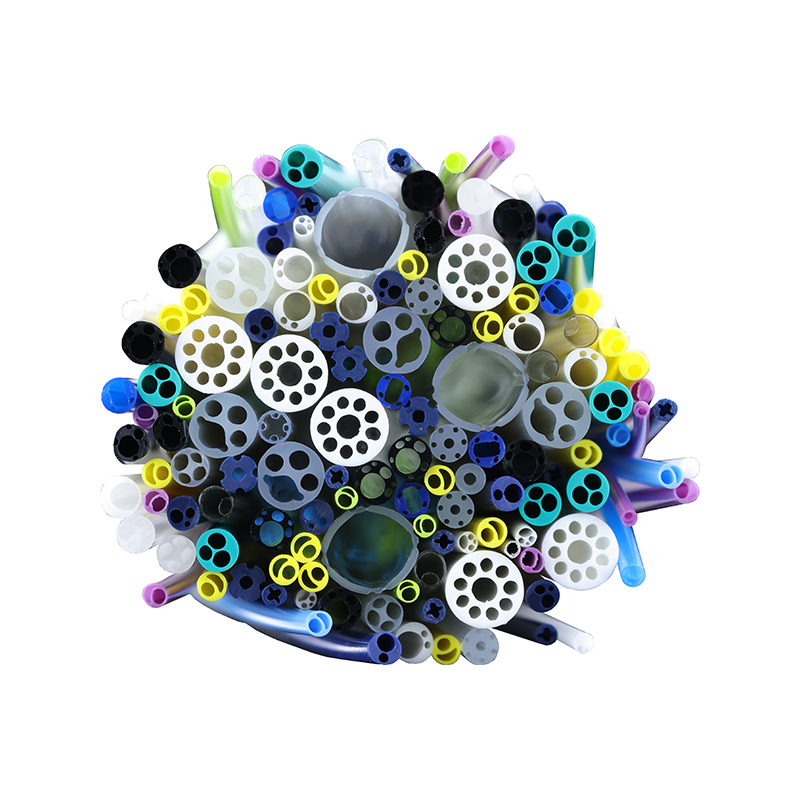
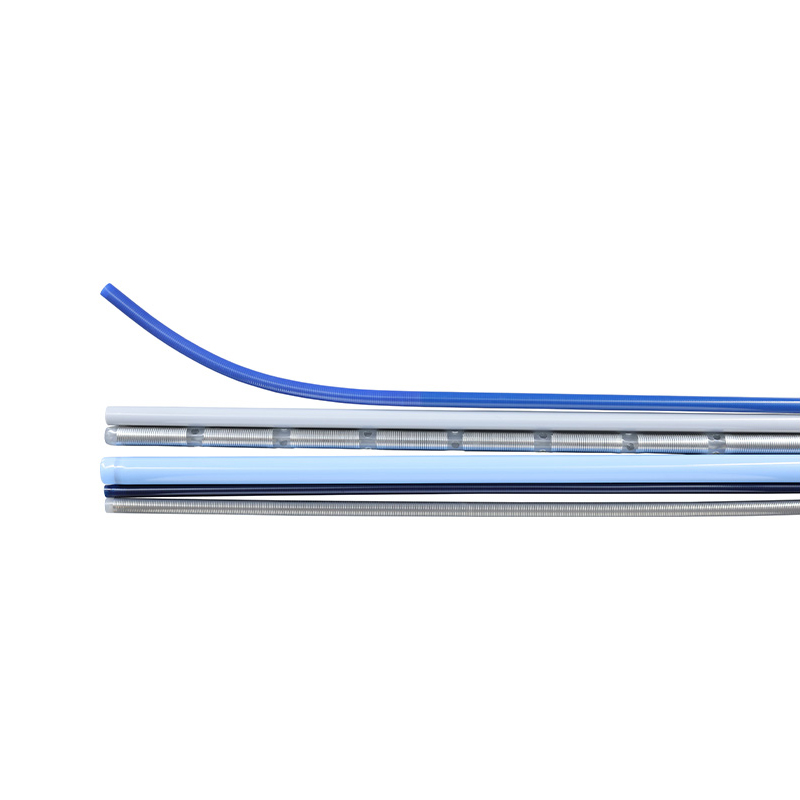
- Multi-layer and multi-lumen capability: Complex catheter designs often require co-extruded structures. Confirm the supplier can produce single/dual/triple-layer and multi-lumen configurations in PEEK.
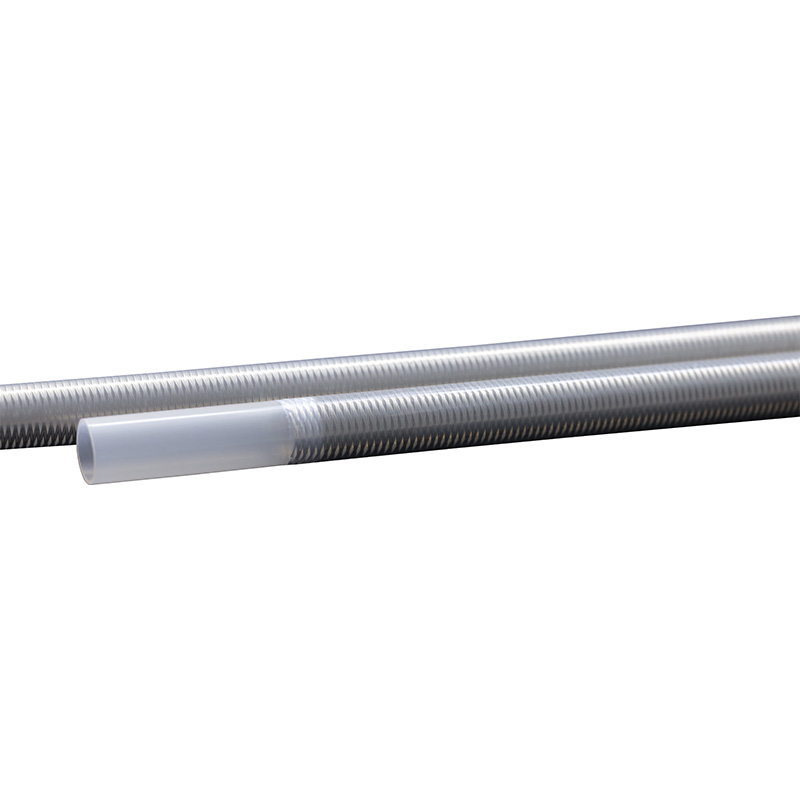
- Reinforcement options: Braided or spiral-wound reinforced PEEK sheaths provide torque control and kink resistance in demanding catheter shafts. Ensure the supplier offers this as an integrated product.
- Surface treatment availability: Hydrophilic coatings, lubricious finishes, and plasma treatments are often necessary for final device assembly. A vertically integrated supplier reduces lead time and validation burden.
- Regulatory traceability: ISO 13485 certification, biocompatibility testing per ISO 10993, and full material traceability are baseline requirements for medical supply chains.
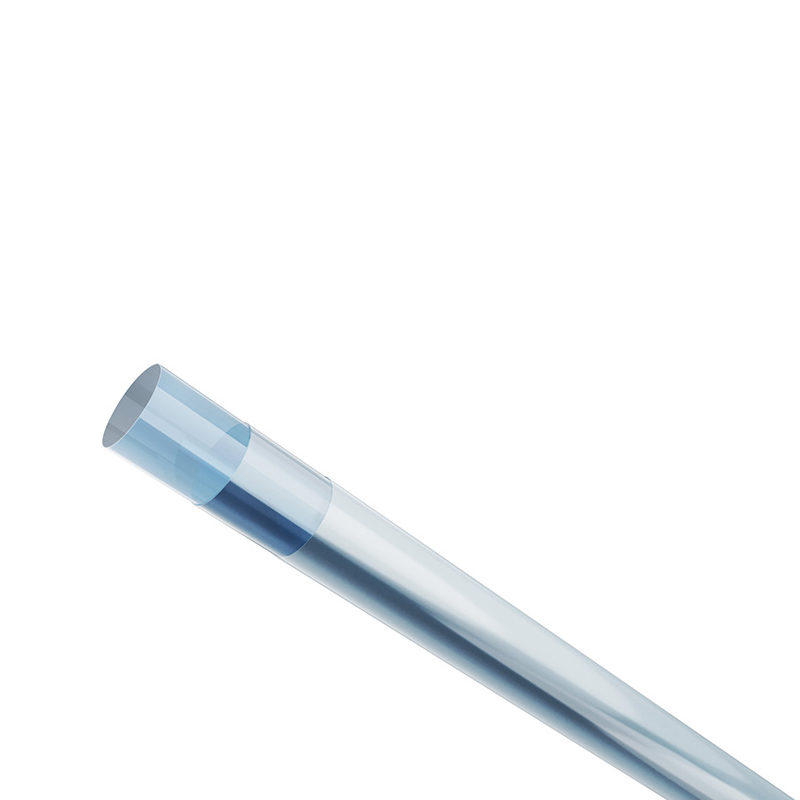
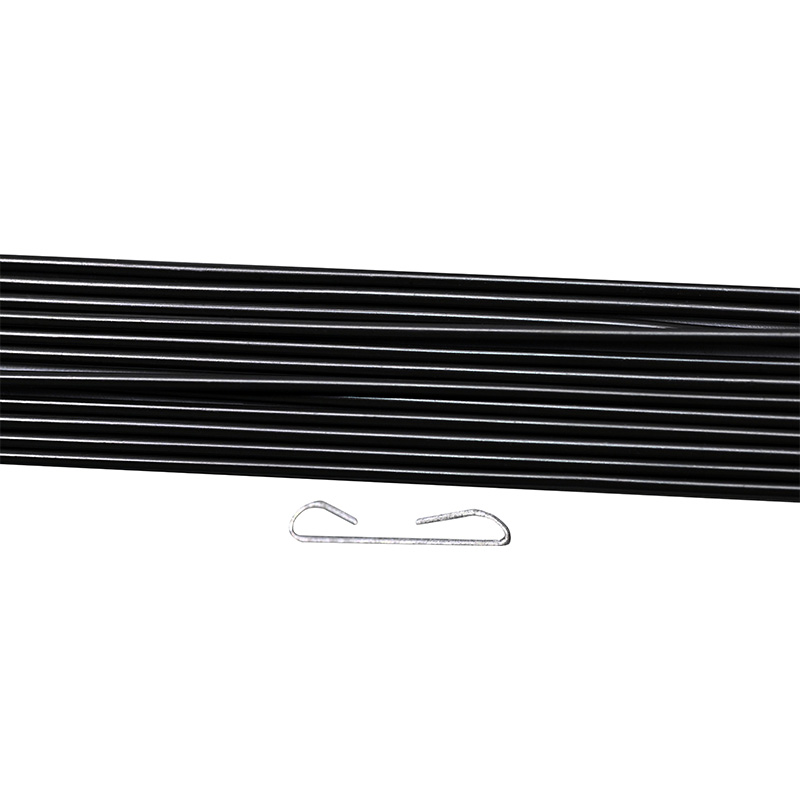
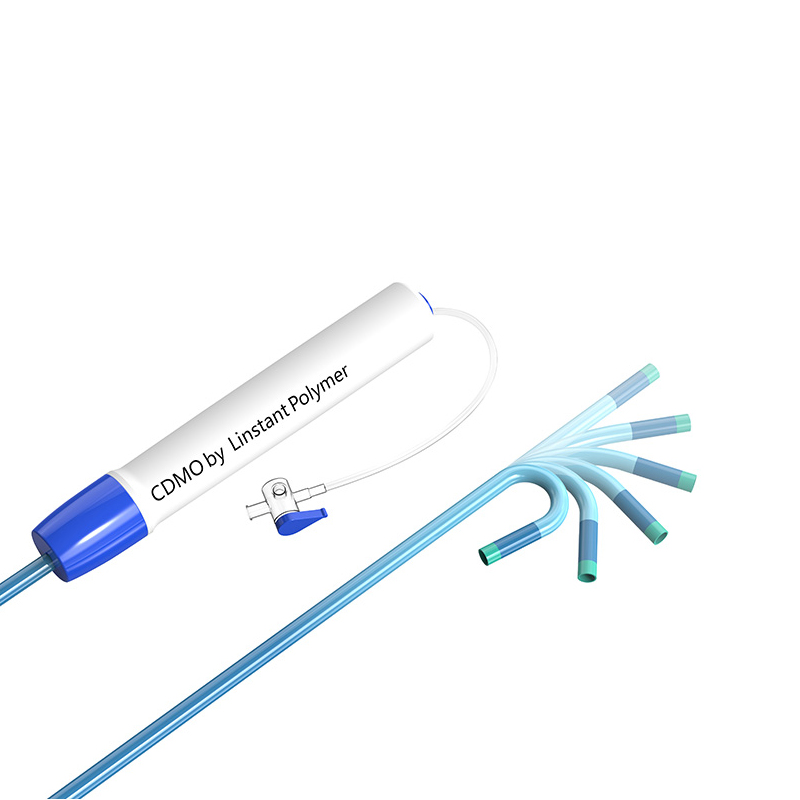
LINSTANT specializes in precision medical-grade tubing and offers a comprehensive product portfolio that directly addresses these sourcing criteria. Their product range covers extruded single-layer and multi-layer tubing, single and multi-lumen configurations, single/dual/triple-layer balloon tubing, spiral and braided reinforced sheaths, and specialized engineering material tubing including PEEK and PI (polyimide) tubes. LINSTANT also provides a broad array of surface treatment solutions — making them a capable single-source partner for complex catheter and device programs where co-development and tight quality control are essential.
PEEK vs. Other High-Performance Polymer Tubings: A Direct Comparison
Choosing PEEK over alternatives like PTFE, PI (polyimide), or PEBA depends on the specific device requirements. The table below highlights the key trade-offs:
| Material | Max Temp | Stiffness | Sterilization | Radiolucency | Typical Use Case |
|---|---|---|---|---|---|
| PEEK | 250°C+ | High | All methods | Yes | Reusable instruments, catheter shafts |
| PTFE | 260°C | Low | Most methods | Yes | Liners, low-friction coatings |
| PI (Polyimide) | 300°C+ | Very High | Limited | Yes | Micro-catheters, neurovascular |
| PEBA | ~130°C | Low–Medium | EO, Gamma | Yes | Balloon catheters, distal tips |
PEEK's advantage is most pronounced where structural rigidity, repeated sterilization, and imaging compatibility must coexist. When flexibility is the primary requirement (e.g., distal catheter tips), PEBA or nylon-based materials may be preferred — often used in combination with a PEEK shaft in a co-extrusion or bonded assembly.
The Manufacturing Challenge: Precision Extrusion of PEEK
PEEK is not easy to extrude. Its melt processing temperature exceeds 380°C, and the narrow processing window demands highly controlled extrusion equipment and experienced process engineers. Common manufacturing challenges include:
- Thermal degradation if processing temperatures are not precisely managed
- Achieving tight OD/ID concentricity in thin-wall tubes (wall thickness below 0.1 mm)
- Maintaining consistent crystallinity across production runs, which directly affects mechanical performance
- Surface finish uniformity for downstream coating or bonding processes
These barriers mean that only a subset of contract manufacturers have the technical capability to consistently produce medical-grade PEEK tubing at scale. When evaluating a supplier, requesting process validation data (IQ/OQ/PQ documentation) and capability indices (Cpk ≥ 1.33 for critical dimensions) provides an objective measure of manufacturing maturity.
Outlook: Why PEEK Tubing Demand Will Keep Growing
The global PEEK market was valued at approximately USD 845 million in 2023 and is projected to grow at a CAGR of over 7% through 2030, with medical devices among the fastest-growing end-use segments. Several structural trends are reinforcing this trajectory:
- Miniaturization of devices: As interventional procedures migrate toward less-invasive approaches, tubing profiles shrink while performance expectations stay the same — exactly the trade-off PEEK handles best.
- Robotics and digital surgery: Robotic-assisted surgical systems impose high torque and axial load requirements on instrument shafts. PEEK tubing supports the stiffness-to-diameter ratios required by these platforms.
- Reusable instrument demand: Sustainability pressures are pushing some OEMs back toward reusable devices that can withstand hundreds of sterilization cycles — a category where PEEK has no peer among polymers.
- Expansion of high-growth procedure categories: Structural heart, neuromodulation, and ablation therapies are all expanding, each creating new demand for high-performance catheter shaft materials.
For device engineers and procurement teams navigating material selection, PEEK tubing represents a well-validated, high-reliability choice with a track record across the most demanding medical device categories. The key is partnering with a manufacturer equipped to handle its extrusion complexity and meet the documentation standards that medical supply chains require.